For local information about related care, see gastro surgeon in Bathinda.
Expert Surgical Management of a Giant 5.5 kg Spleen at Bombay Gastro & Cancer Institute, Bathinda
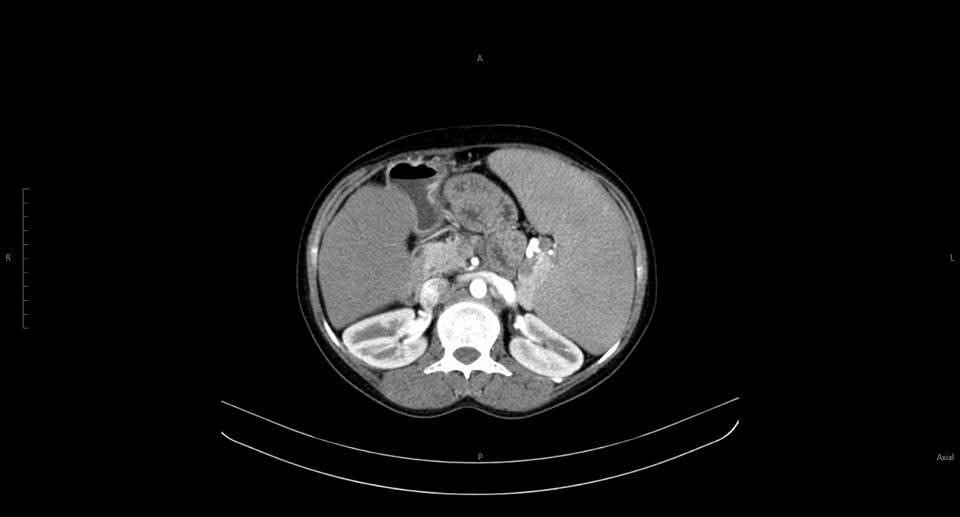
A 65-year-old female presented with progressive abdominal swelling, early satiety, abdominal discomfort, and pressure symptoms caused by massive splenomegaly.
Despite the enormous enlargement of the spleen, an extensive hematological evaluation, including Complete Blood Count (CBC), Peripheral Blood Film (PBF), and Bone Marrow Examination, showed no evidence of leukemia, lymphoma, myeloproliferative disease, or any other bone marrow disorder. As the patient's symptoms were significantly affecting her quality of life, elective splenectomy was advised.
Surgical Management
The patient underwent an Open Splenectomy performed by Dr. Raman Garg, Consultant Surgical Gastroenterologist, Advanced GI, Laparoscopic & HPB Surgeon at Bombay Gastro & Cancer Institute, Bathinda.
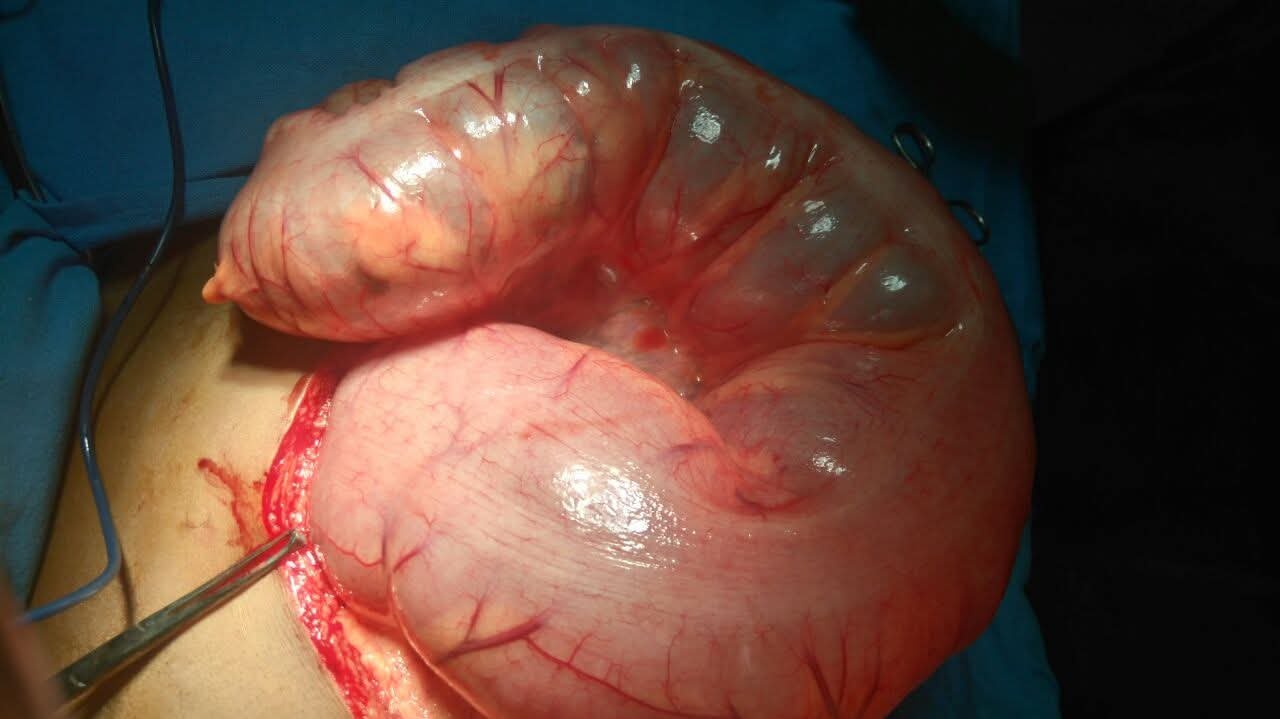
During surgery, the spleen was found to be massively enlarged, measuring approximately 35 cm in length and weighing nearly 5.5 kg, making it one of the largest spleens encountered in routine surgical practice.
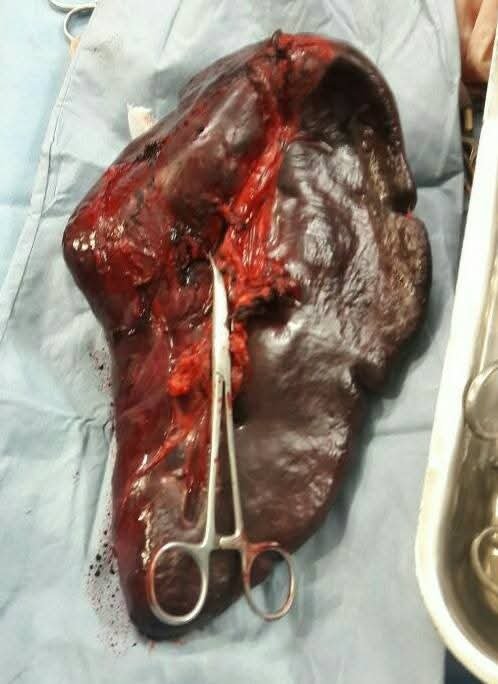
The giant spleen was successfully removed with meticulous preservation of surrounding structures and careful control of the splenic hilum.
A Challenging Postoperative Course
On the 3rd postoperative day, the patient developed a sudden reduction in urine output accompanied by a rapid fall in hemoglobin from 12 g/dL to 7 g/dL, raising strong suspicion of postoperative intra-abdominal bleeding.
She was immediately taken back to the operating theatre, where Dr. Raman Garg performed an emergency re-exploration.
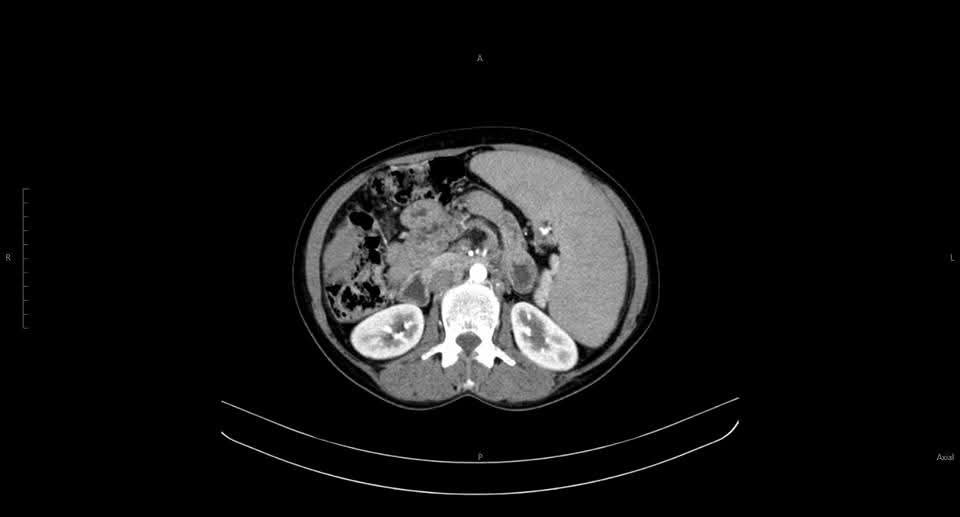
Approximately 1 litre of hemoperitoneum was evacuated. Careful inspection revealed no active arterial or venous bleeding, with only diffuse oozing from the splenic bed. Meticulous haemostasis was achieved using Spongostan® haemostatic agents, and the abdomen was safely closed.
A Rare Hematological Response
Following re-exploration, the patient's hemoglobin stabilized and her vital signs improved.
During recovery, another unusual postoperative finding was noted:
- White Blood Cell Count increased to 81,000/µL.
- Platelet Count increased to approximately 10 lakh/µL (1,000,000/µL).
Despite these striking laboratory abnormalities, the patient remained clinically stable. Ultrasound examination showed no residual intra-abdominal collection, and there was no clinical or laboratory evidence of ongoing infection.
The diagnosis was reactive leukocytosis and reactive thrombocytosis following splenectomy. She was started on Hydroxyurea to safely control the marked thrombocytosis while undergoing close hematological monitoring.
Excellent Recovery
With appropriate medical management and continued postoperative care:
- Hemoglobin stabilized.
- White blood cell count gradually normalized.
- Platelet count returned to normal.
- The patient remained clinically well.
- Discharged in satisfactory condition on the 12th postoperative day.
Why This Case Is Important
Massive splenomegaly requiring splenectomy is uncommon, particularly in patients with normal hematological and bone marrow investigations. This case was especially challenging because of:
- Removal of a giant 35 cm, 5.5 kg spleen.
- Postoperative hemoperitoneum requiring emergency re-exploration.
- Extreme reactive leukocytosis (81,000/µL).
- Marked reactive thrombocytosis (approximately 10 lakh/µL) following splenectomy.
Timely recognition of these rare postoperative complications, prompt re-exploration, meticulous haemostasis, multidisciplinary postoperative care, and appropriate medical management resulted in an excellent clinical outcome.
This case highlights Dr. Raman Garg's expertise in advanced splenic surgery, complex abdominal surgery, hepatopancreatobiliary (HPB) surgery, and the management of rare postoperative complications.
Advanced Spleen, Liver, Pancreatic and Gastrointestinal Surgery by Dr. Raman Garg
Dr. Raman Garg is a leading Surgical Gastroenterologist in Bathinda, with expertise in the treatment of splenic disorders, liver diseases, pancreatic disorders, gallbladder diseases, colorectal diseases, intestinal obstruction, abdominal wall hernias, gastrointestinal cancers, and complex abdominal surgery.
He performs advanced splenectomy, hepatopancreatobiliary (HPB) surgery, colorectal surgery, emergency gastrointestinal surgery, trauma surgery, and minimally invasive gastrointestinal procedures, providing comprehensive surgical care for both routine and highly complex conditions.
Patients from Bathinda, Punjab, Haryana, Rajasthan, and neighbouring states seek treatment from Dr. Raman Garg for advanced gastrointestinal and HPB surgical care.
Patient: 65-year-old Female
Diagnosis: Massive Symptomatic Splenomegaly
Procedures Performed: Open Splenectomy (35 cm, approximately 5.5 kg spleen), Emergency Re-exploration for Postoperative Hemoperitoneum, Hemostasis Using Spongostan®, and Medical Management of Reactive Leukocytosis and Reactive Thrombocytosis
Operating Surgeon: Dr. Raman Garg, Surgical Gastroenterologist, Advanced GI, Laparoscopic & HPB Surgeon, Bombay Gastro & Cancer Institute, Bathinda
Outcome: Successful recovery with normalization of blood counts and discharge in satisfactory condition on the 12th postoperative day.
About Dr. Raman Garg
Dr. Raman Garg is a Consultant Surgical Gastroenterologist, Advanced GI, Laparoscopic and HPB Surgeon at Bombay Gastro & Cancer Institute, Bathinda. He specializes in gastrointestinal cancer surgery, liver, pancreas and bile duct surgery, colorectal surgery, hernia surgery, upper GI surgery, emergency abdominal surgery, and advanced minimally invasive procedures.
Patient identity has been withheld to maintain confidentiality. This case is shared for educational purposes with appropriate consent and privacy safeguards.