Bariatric and Weight Loss Surgery in Bathinda
Are you struggling with obesity and finding it impossible to lose weight despite strict diets and exercise? You are not alone. Millions of people across India battle morbid obesity every day, and often, lifestyle changes alone are not enough. If your BMI is above 35–40 and you have obesity-related health issues like diabetes, high blood pressure, or joint pain, bariatric surgery (weight loss surgery) in Bathinda could be the life-changing solution you need.
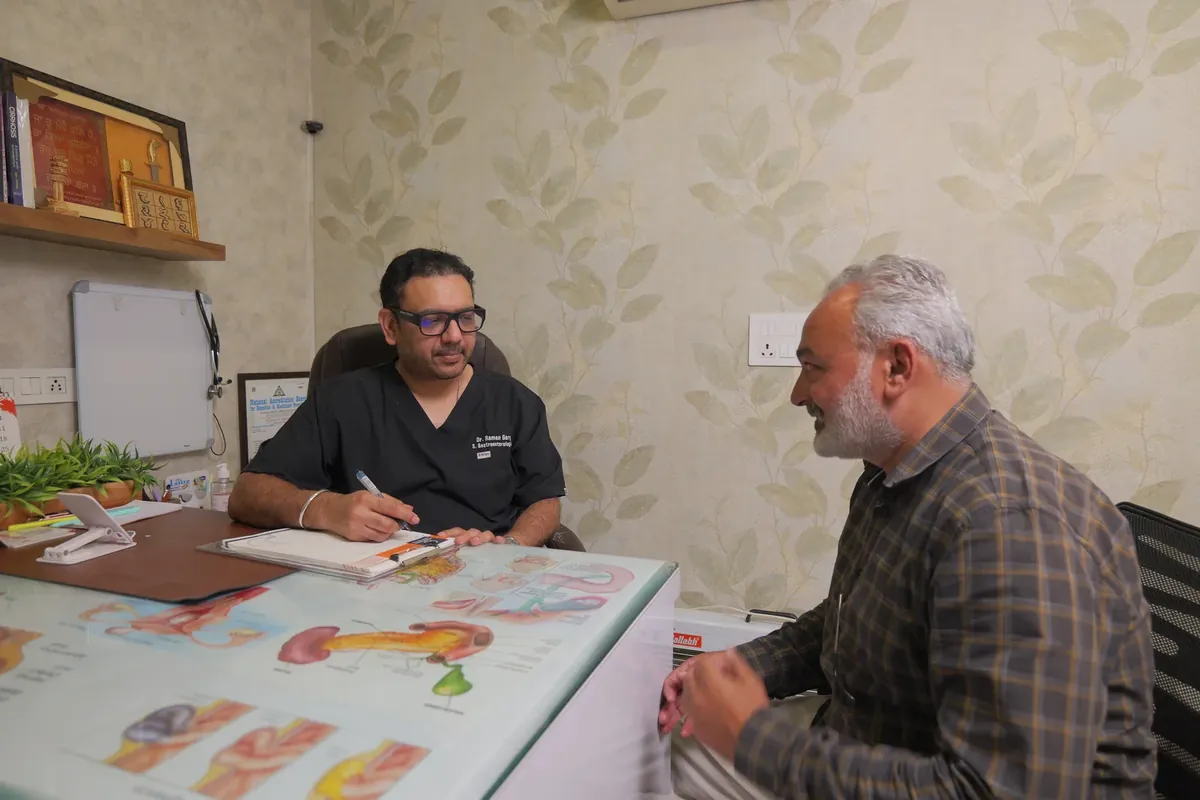
Dr. Raman Garg consults at Bombay Gastro & Cancer Institute, Bathinda. The clinic can explain whether a bariatric assessment is available and which records to bring. A procedure is considered only after reviewing eligibility, health conditions, previous treatment, anaesthesia fitness and the patient’s ability to take part in long-term follow-up.
What is Bariatric Surgery?
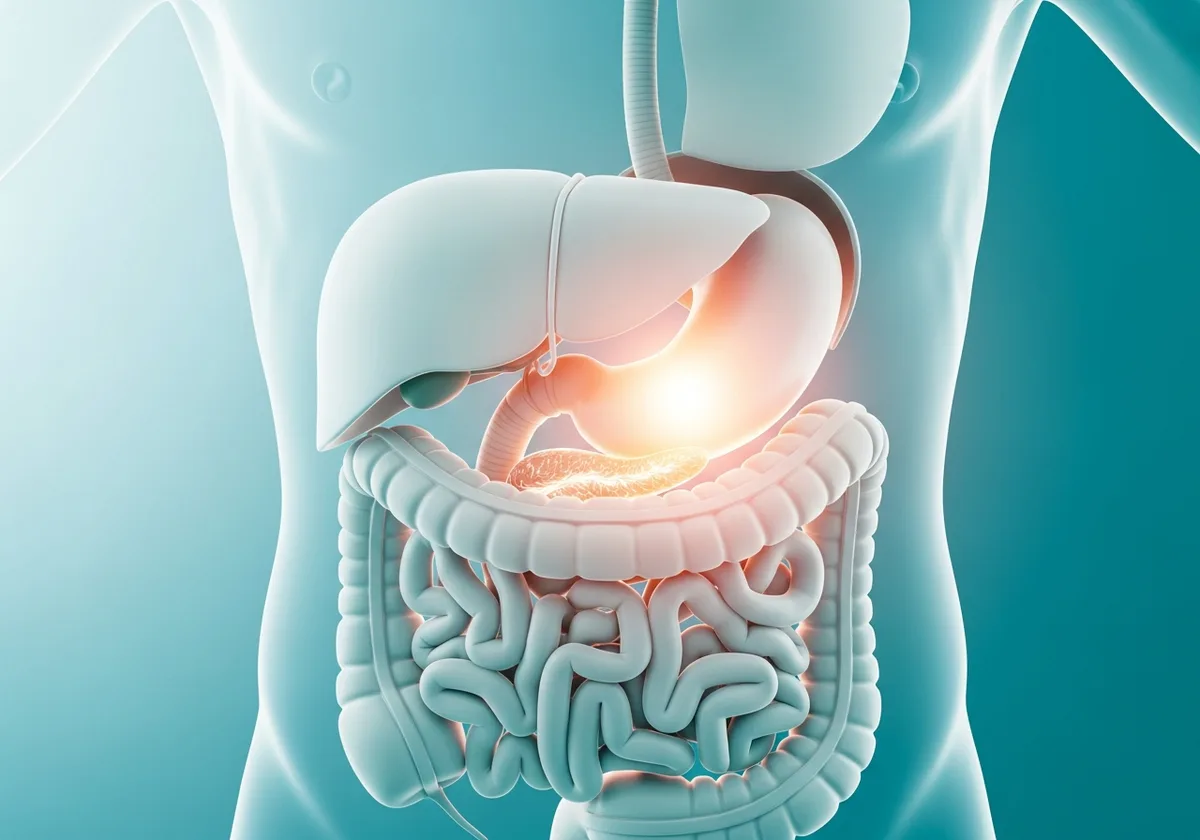
Bariatric surgery refers to operations that change the stomach and, in some procedures, the digestive pathway. They may be considered for selected people with obesity after a multidisciplinary assessment. Potential effects on weight and related health conditions differ between patients and cannot be guaranteed. The consultation should cover alternatives, expected follow-up, nutrition and possible complications as well as the operation itself.
All bariatric procedures at Bombay Gastro & Cancer Institute are performed using advanced laparoscopic (keyhole) technique — meaning smaller incisions, less pain, faster recovery, and minimal scarring compared to open surgery.
Types of Weight Loss Surgery Offered
- Laparoscopic Sleeve Gastrectomy (Gastric Sleeve) — About 75–80% of the stomach is removed, creating a banana-shaped sleeve. This reduces hunger hormones (ghrelin) and restricts food intake. The most commonly performed bariatric procedure today.
- Laparoscopic Roux-en-Y Gastric Bypass — A small stomach pouch is created and connected directly to the small intestine, bypassing a large portion of the stomach and duodenum. Excellent for patients with severe diabetes or acid reflux along with obesity.
- Mini Gastric Bypass (MGB / OAGB) — A simpler, single-anastomosis version of gastric bypass with excellent weight loss and metabolic outcomes.
- Laparoscopic Adjustable Gastric Band (LAGB) — An adjustable silicone band is placed around the upper stomach. Less commonly performed now but available for selected patients.
- Revisional Bariatric Surgery — For patients who have had previous weight loss surgery that was insufficient or had complications.
Who is Eligible for Bariatric Surgery?
Eligibility is assessed against current clinical guidance and the person’s complete health picture. A BMI number alone does not determine whether surgery is suitable. The team may consider:
- Weight, BMI and weight-related health conditions
- Previous medical or lifestyle treatment and its results
- Fitness for anaesthesia and the proposed procedure
- Nutrition, medication, emotional and practical support needs
- Readiness and ability to attend long-term follow-up
Ask which assessments are needed in your case, who will review the results and what alternatives remain. The team should explain the individual risks and benefits before a decision is made.
Motapa Surgery in Bathinda — Understanding the Benefits
Bariatric surgery, commonly called motapa surgery, is intended to support health as well as weight management for selected patients. Possible changes in associated conditions vary and should be discussed without assuming a cure:
- Blood sugar and blood pressure may change; prescribed medicines need clinician review.
- Sleep, mobility, liver health and other conditions may need continued specialist care.
- Nutrition and emotional wellbeing should be included in the follow-up plan.
- Benefits and risks differ by procedure and individual health history.
Bariatric surgery requires ongoing care. Weight change, symptom improvement and recovery differ between patients; no result is guaranteed. Ask how progress, nutrition and any long-term risks will be monitored.
Bariatric Surgery Cost in Bathinda, Punjab
People searching for bariatric surgery cost in Bathinda should request an estimate after clinical assessment. The amount may depend on procedure choice, pre-operative tests, anaesthesia, medicines, hospital stay, follow-up and any additional health needs.
Ask for a current written, itemised estimate and confirm what is included or billed separately. Insurance coverage and pre-authorisation vary by policy and diagnosis; check directly with the insurer and billing team before scheduling. No fixed price is published here because a generic figure could mislead.
Use the contact page to ask about an appointment and the records needed for an estimate.
Life After Weight Loss Surgery — What to Expect
Recovery after bariatric surgery varies with the operation, health and any complications. The team should give you a written plan for diet progression, medicines, wound care, activity and follow-up. Ask when to contact the team and what symptoms need urgent review. Do not follow another patient’s diet or return-to-work timeline without clinical advice.
- Phase 1 (Weeks 1–2): Clear liquids only
- Phase 2 (Weeks 3–4): Full liquids and puréed foods
- Phase 3 (Month 2): Soft, minced foods
- Phase 4 (Month 3 onwards): Regular solid foods in small portions
Long-term follow-up may include nutrition review, laboratory monitoring and behavioural support. The plan and duration vary by procedure and individual health. Discuss ongoing costs, supplements, pregnancy planning and follow-up access before deciding on surgery.
Why Choose Dr. Raman Garg for Bariatric Surgery in Bathinda?
- Ask about relevant bariatric training, experience, alternatives, risks and follow-up
- 20+ years of experience in advanced minimally invasive surgery
- 10,000+ laparoscopic surgeries overall
- Comprehensive pre-operative assessment and post-operative follow-up
- Request a current written estimate and confirm policy coverage with the insurer
- Serving patients from across Punjab, Haryana, and Rajasthan
- Dedicated bariatric support team — dietician, psychologist, physiotherapist
Frequently Asked Questions — Weight Loss Surgery Bathinda
What is the cost of bariatric surgery in Bathinda?
The estimate depends on the procedure, tests, anaesthesia, hospital stay, medicines and follow-up needs. Contact the clinic for a current written estimate after assessment and confirm what is included.
How is eligibility for bariatric surgery assessed?
Assessment considers current clinical guidance, BMI, weight-related health conditions, previous treatment, surgical fitness and ability to attend long-term follow-up. A consultation is needed to discuss an individual case.
What are the risks of bariatric surgery?
As with any operation, risks vary by procedure and health history. Ask the surgeon to explain the benefits, alternatives, short- and long-term risks, nutritional monitoring and follow-up that apply to you.
How much weight will I lose after bariatric surgery?
Results vary and cannot be guaranteed. The surgeon and care team can discuss realistic expectations, nutrition, activity, follow-up and health conditions after reviewing your situation.
How long is recovery after weight loss surgery?
Recovery depends on the procedure, health and whether any complications occur. Follow the written discharge plan and ask the team when to return to work, driving, exercise and follow-up.
How do gastric sleeve and gastric bypass differ?
They are different operations with different anatomical changes, potential benefits, risks and nutritional considerations. A surgeon can explain which options, if any, are suitable after assessment.