Looking for a gastro doctor in Bathinda? Dr Raman Garg sees patients with acidity, gas, stomach pain, constipation, piles, fatty liver, jaundice and gallbladder concerns at Bombay Gastro & Cancer Institute, Power House Road. He has more than 20 years of experience and has performed 10,000+ laparoscopic surgeries overall. OPD is listed Monday to Saturday, 10 am to 3 pm. Call +91 82641-60001 to confirm current appointment details.

When Should You See a Gastro Doctor?
Book a clinical review when stomach symptoms keep returning, last longer than expected or affect daily life. The clinician reviews your symptoms and reports, then discusses whether advice, testing, a surgical opinion or referral is appropriate. A symptom alone does not establish a diagnosis or mean surgery is needed. Learn about gastro surgeon care, hernia surgery and gallbladder stone treatment.
Common Reasons to Book a Consultation
- Acidity or chest burning that keeps returning, or symptoms that do not improve with usual advice
- Frequent gas, bloating, or discomfort after meals
- Stomach pain that recurs, wakes you at night, or affects normal activities
- Constipation or diarrhoea that persists or repeatedly returns
- Blood in stool, black stool, pain while passing stool, or a new bowel-habit change
- Difficulty swallowing, repeated vomiting, unexplained weight change, jaundice, or an abnormal liver report
- Ultrasound findings such as fatty liver or gallbladder stones that need explanation
These examples are not a diagnostic checklist. Note when the concern began, how often it occurs and what seems to change it. A clinician can help decide whether a general medical review, gastroenterology consultation, surgical assessment or referral is appropriate.
Stomach Problems We Assess
Acidity, gas and GERD
Burning behind the breastbone, sour fluid in the mouth, upper abdominal pain or nausea can have several explanations. A clinician may ask about timing, food, medicines, previous treatment and warning signs before discussing options. Some people need changes in routine or medicines; some may need an investigation or a different specialist. Read the separate guide to acidity and GERD treatment, then ask how it relates to your own symptoms.
Stomach pain and ulcers
The location, timing and pattern of stomach pain can help guide an assessment, but they do not establish a diagnosis by themselves. A clinician may review food, medicines, previous conditions and reports, then discuss whether advice, testing or referral is appropriate.
Constipation, loose motions and piles
Changes in bowel frequency or consistency may be linked to diet, medicines, infection or other conditions. Do not assume that bleeding is piles or that recurring diarrhoea is harmless. Tell the clinician what has changed and when. Read about piles, fissure and fistula treatment and ask which assessment is right for your symptoms.
Fatty liver, jaundice and liver reports
Abnormal liver tests or fatty liver findings need interpretation alongside symptoms and other health information. A scan finding alone may not explain how someone feels. The clinician can explain which result matters and whether more evaluation or referral is needed. Read about fatty liver treatment and bring the original reports if possible.
Gallbladder stones
Gallstones on imaging need to be considered with symptoms and the full clinical picture. A scan alone does not determine whether treatment or surgery is needed. Read about gallbladder stone surgery in Bathinda and ask the clinician to explain suitable options.
Hernia and lumps in the abdomen
A new or changing lump needs clinical assessment because different conditions can look similar. Learn about hernia surgery in Bathinda and ask which type of clinician should assess the lump.
Swallowing, persistent nausea or unexplained weight change
Difficulty swallowing, repeated nausea, early fullness or unexplained weight change should be described clearly, including how long it has been happening and whether it is progressing. A clinician may review medications and previous conditions, examine you, and consider suitable tests if they would change the care plan. Seek urgent care for inability to swallow fluids, dehydration, severe pain or repeated vomiting.
Common Digestive Symptoms: What to Note Before You Visit
People often search for answers to “stomach pain after eating,” “gas every day,” “acidity at night” or a sudden change in bowel habits. These descriptions can help you explain what is happening, but they do not identify the cause. A simple symptom note is more useful than trying to match yourself to a list of diseases:
Everyday Habits That May Help Mild, Recurring Reflux
For occasional heartburn, some people find it useful to eat smaller meals, notice which foods or drinks personally trigger symptoms, and avoid lying down for three to four hours after eating. If symptoms are worse at night, ask a clinician whether raising the head end of the bed may help. These are general self-care measures—not a cure, a diagnosis or a substitute for an assessment when symptoms persist.
Keep a short note of meals and symptoms rather than removing many foods at once. Avoid smoking, and ask a clinician or pharmacist before taking non-prescription medicines repeatedly or changing a prescribed medicine. Do not rely on “detox,” unverified home remedies or online medicine advice. If you have trouble swallowing, repeated vomiting, blood in vomit or stool, unexplained weight loss, or symptoms that keep returning, arrange medical review. For a general source, read the NHS guide to heartburn and acid reflux.
What Happens During the First Appointment?
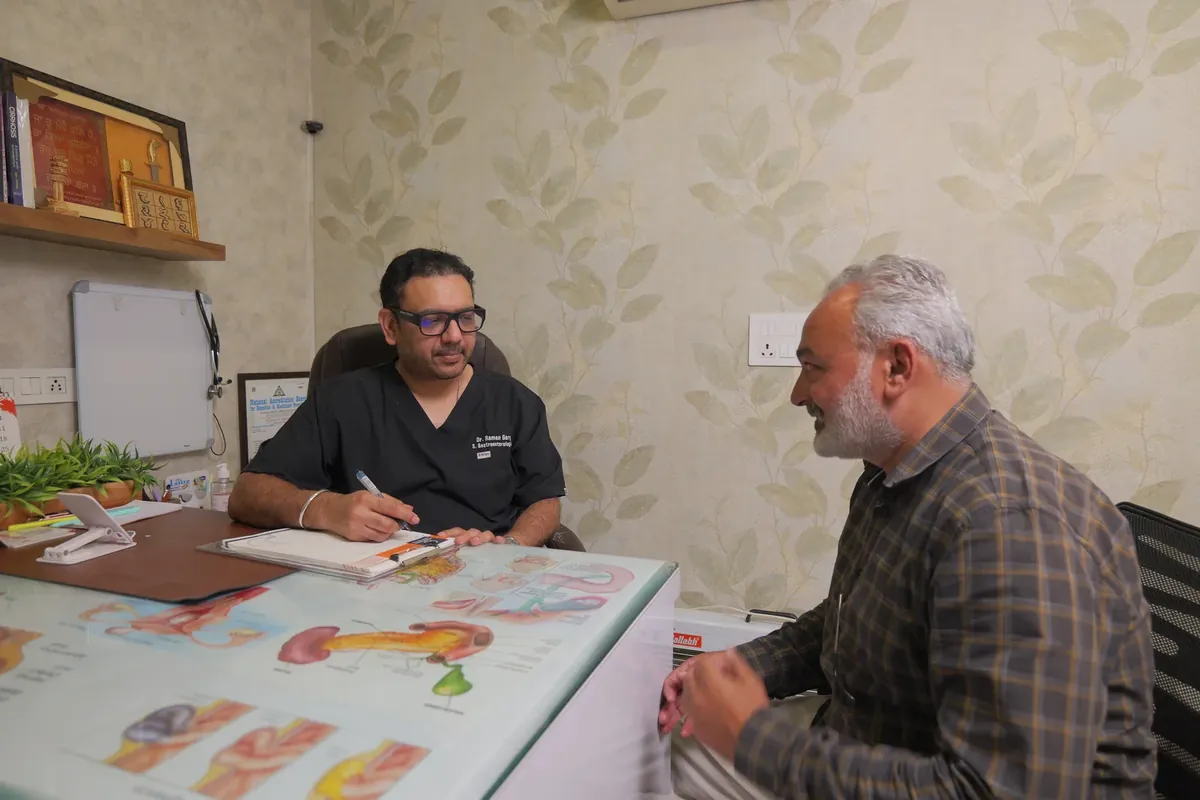
The clinician will ask about your symptoms, medicines, allergies, previous operations and relevant reports, and may examine you when appropriate. Ask what the findings suggest, what remains uncertain and why a test or treatment is being considered. Before leaving, confirm how results and follow-up will be handled. A procedure or operation is not assumed; urgent symptoms should not wait for a routine visit.
Reports and Information to Bring
Bring relevant blood tests, scans, endoscopy reports, discharge summaries, referral letters and prior operation notes if available. Keep a current list of medicines, supplements, allergies and important conditions. Do not stop a prescription or delay urgent care to collect paperwork. Write down questions about possible causes, tests, alternatives, follow-up and any separate charges.
How to Prepare for a Digestive Health Appointment
A short, clear history can make a consultation more useful. Before you visit, note when the concern started, whether it is getting better or worse, how often it happens and what you have already tried. Describe the symptom in your own words rather than trying to diagnose it yourself. If pain is involved, note where you feel it and whether it affects eating, sleep, work or daily activity. This information helps the clinician decide what to ask next; it does not replace an examination.
- Bring the original or readable copies of relevant reports and prescriptions.
- Write down all medicines, supplements, allergies and prior operations.
- Note any recent change in appetite, bowel habits, weight or swallowing.
- Ask whether any test needs preparation and whether you should arrive fasting.
- Before leaving, confirm who will explain results and how follow-up is arranged.
Do not stop prescribed medicines, begin a restrictive diet or postpone urgent care based on general online advice. If the clinic asks you to share documents electronically, use the method it confirms and avoid sending sensitive records to an unverified number. Call ahead to check appointment availability and the current consultation fee.
Tests a Gastro Doctor May Discuss
Tests are selected to answer a clinical question and are not needed by everyone. Confirm current onsite availability, scheduling, preparation and result follow-up with the clinic before travelling.
After the Consultation: Results and Follow-Up
Before you leave, make sure you know what the next step is and who to contact with a question. If tests are arranged, ask when and how the results will be reviewed; a test report should be interpreted with your symptoms and examination rather than in isolation. Confirm whether you need another appointment, whether any preparation is required and what to do if the symptoms change while you are waiting.
If you already have a diagnosis or have seen another clinician, bring the report and ask how it affects the current plan. You can ask the clinician to explain unfamiliar terms, the purpose of a medicine or investigation, the alternatives being considered and which side effects or warning signs need attention. Do not stop, start or change prescribed treatment based only on a website or a search result. For severe or rapidly worsening symptoms, seek urgent care instead of waiting for a scheduled follow-up.
Understanding Care Options Without Assuming Surgery
Options may include monitoring, medicines, a selected test, a procedure, surgery or referral. Ask what a recommendation is intended to achieve, what alternatives exist and which risks apply to you. If surgery is discussed, confirm who will provide it, where it will take place and what recovery and follow-up guidance to expect. Request a current itemised estimate; costs depend on the diagnosis and services chosen.
When to Seek Urgent Medical Care
Seek urgent care for severe or rapidly worsening pain, repeated vomiting, vomiting blood, black or bloody stools, fainting, confusion, breathing difficulty, or jaundice with fever. If you feel seriously unwell, contact local emergency services or go to an emergency department rather than waiting for a routine appointment.
Choosing a Gastro Doctor in Bathinda
Check relevant training, experience with your concern, clear explanations, facility support and follow-up. Dr Raman Garg consults at Bombay Gastro & Cancer Institute; ask the clinic about the current service, appointment and fee details. You may request time to consider a planned, non-urgent decision or seek another opinion.
How to Describe Stomach Pain Clearly
People use phrases such as “stomach pain after eating,” “pain on the left side,” “burning in the upper abdomen” or “pain that comes and goes.” Those descriptions are useful starting points, but they do not point to one diagnosis. The abdomen contains several organs, and discomfort can also be affected by medicines, meals, bowel movements, previous surgery or other health conditions. Avoid using an online diagram to decide which organ is responsible. Instead, explain what you notice in everyday language and let the clinician ask follow-up questions.
Before the visit, record the approximate start date, whether the pain is continuous or episodic, where it is strongest, how intense it feels, and whether it is improving, stable or worsening. Note whether it interrupts sleep, limits eating or affects work. If the pain seems related to meals, write down the timing rather than assuming that a particular food is the cause. If there is a lump, mention where it appears and whether it changes with position or coughing. These details help the clinician decide what to examine and whether tests may be useful.
Also note associated changes such as fever, vomiting, heartburn, appetite, bowel movements, urine colour, yellowing of the eyes or unintended weight change. Bring a current medicine list and previous reports if available. Do not delay urgent care while completing a diary: severe or rapidly worsening pain, fainting, repeated vomiting, blood in vomit or stool, or jaundice with fever calls for prompt medical assessment. A symptom log supports a conversation; it does not replace examination or confirm a disease.
Indigestion, Bloating and Early Fullness
Indigestion may be described as upper-abdominal discomfort, burning, nausea, belching or feeling full sooner than expected. Bloating can occur with many digestive patterns and is not proof of a particular food intolerance. A gastro doctor may ask when symptoms occur, how long they last, whether they recur, and whether there are related changes in appetite, swallowing or bowel habits. Mention recent illness, new medicines, supplements and previous treatment. Do not assume that persistent symptoms are simply “gas” or that every episode needs a procedure.
For a short period before a non-urgent appointment, a practical record can help: note meal times, symptom onset, sleep, bowel pattern and any medicine taken. Avoid making several major diet changes at once because that can make patterns harder to interpret and may unnecessarily restrict nutrition. If you suspect a particular food, note the pattern and ask a clinician whether a focused trial is reasonable. General information about indigestion is available from the NIDDK patient guide; it is not a personal diagnosis or treatment plan.
Seek timely assessment if symptoms keep returning, affect eating or sleep, or are accompanied by difficulty swallowing, repeated vomiting, bleeding, unexplained weight loss or an abnormal examination. Sudden severe pain, dehydration, fainting or blood loss may require urgent care. Ask the clinician what the next step is meant to clarify, what options are reasonable, and when you should return if the symptom does not improve. Do not borrow another person’s prescription or use long-term medicines without a professional review.
Constipation, Diarrhoea and a Change in Bowel Habits
Patients often search for a “doctor for constipation,” “loose motions treatment” or “blood while passing stool.” A change in frequency, consistency or comfort can have different explanations, including temporary illness, diet, medicines or an underlying condition. The duration and pattern matter: tell the clinician when it started, how often it occurs, whether it wakes you at night, and whether it comes with pain, fever, weakness or appetite change. Do not diagnose bleeding as piles without an assessment, particularly if it is new, repeated or accompanied by other symptoms.
Keep a simple record rather than trying multiple laxatives, anti-diarrhoeal drugs or restrictive diets without advice. Mention recent travel, antibiotics, other new medicines and relevant previous conditions. Tell the clinician if you have black stool, visible blood, mucus, difficulty passing stool or a new persistent urgency. If you have diarrhoea, note whether you can keep fluids down and whether urination has reduced. Severe dehydration, fainting, blood loss, high fever or rapidly worsening abdominal pain needs urgent medical care rather than a routine clinic visit.
For an appointment, bring any previous stool or blood-test results and a list of medicines. Ask whether a test is needed, what it is intended to answer, and how results will be communicated. Treatment is not one-size-fits-all: a plan depends on the cause, general health and medicines. A general suggestion to increase fibre or fluids may not be right for every person or every symptom, so discuss persistent changes with a qualified clinician. Read about piles, fissure and fistula assessment only as background; the page cannot determine the cause of an individual symptom.
Understanding Fatty Liver and Liver-Test Reports
“Fatty liver” may appear on an ultrasound report or during a discussion about blood tests. A report is a finding to interpret, not a complete diagnosis by itself. The clinician may ask about other health conditions, medicines, supplements, alcohol, family history and past results. Bring the full report, including its date and the test values if available; a cropped phone screenshot may omit details that matter. Do not assume that an isolated value explains every symptom, and do not stop a prescribed medicine because of a search result.
Ask the clinician to explain which finding is important, whether it needs repeat testing, whether other causes should be considered, and how follow-up will be arranged. If lifestyle changes are discussed, ask for advice that fits your health, work routine and any medicines. Avoid “liver detox” products, rapid weight-loss plans and unverified supplements; products marketed as natural can still interact with medicines or affect the liver. A broad food restriction is not a substitute for knowing what the report means. More information about the clinic’s service is on the fatty liver guide.
Yellowing of the skin or eyes, dark urine or pale stool should be discussed with a clinician. Jaundice accompanied by fever, severe pain, confusion or marked weakness needs urgent assessment. If you already see another specialist for diabetes, heart disease or a liver condition, mention the clinician’s name and bring recent letters so care can be coordinated. Ask who will review new results and whether you need a follow-up appointment even if you feel well. A web page cannot stage liver disease, estimate individual risk or prescribe a personal plan.
Gallbladder Findings: Questions to Take to the Doctor
Gallstones may be found during imaging for an unrelated reason, or a person may seek care for recurring upper-abdominal discomfort. A scan result alone cannot tell whether a stone is causing a symptom or whether surgery is needed. Bring the full ultrasound or other imaging report and describe the timing, site and duration of discomfort. Mention nausea, fever, yellowing of the eyes, previous attacks, medicines and other health conditions. Do not use a search result to decide that all abdominal pain is “gallbladder pain.”
Useful questions include: What does the report show? Does it fit my symptoms? Is observation reasonable, or is further assessment needed? If an operation is discussed, what benefit is expected in my situation, what are the alternatives, what risks matter to me, and how will recovery be supported? Ask whether the test or service is available at the clinic or requires referral. The clinician should explain the limits of imaging and how a decision will be made with you. Learn more on the dedicated gallbladder stone treatment page.
Fever with severe upper-abdominal pain, repeated vomiting, new jaundice or a person becoming very unwell needs prompt medical care. Do not wait for an elective appointment or try to “flush” stones with an online remedy. There is no safe home method that can be relied upon to remove gallstones. Any diet or activity advice should be based on your health and the clinician’s assessment; avoid severe restriction while waiting for a consultation.
What a Digestive Test Can—and Cannot—Tell You
Patients commonly search for “endoscopy near me,” “colonoscopy cost,” or whether a scan is necessary. The right test depends on the question raised by symptoms, examination and previous results. A test may help inspect an area, look for a selected change or guide a decision, but no single test answers every question. Some results are normal even when symptoms continue; others show a finding that may not explain the symptom. Ask the clinician to describe what a test can detect, its limits, and how the result could change the next step.
Before agreeing to an investigation, confirm where it is performed, whether it is available onsite or by referral, who will explain the result, and what preparation applies. Preparation instructions differ by procedure and individual circumstances. Do not fast, alter medicines or arrange sedation based on a generic internet checklist; follow the instructions provided by the treating team. Ask whether a support person is needed, what the expected appointment process is and who to contact if your health changes before the test.
Afterwards, request a copy of the result and ask for a plain-language explanation. Confirm whether any sample was taken, whether a further appointment is needed and which symptoms should prompt earlier review. A test report is only one part of assessment and should be considered alongside your history and examination. If a procedure is unavailable at the clinic, ask whether referral is appropriate and how your records should be transferred. No page here confirms that a particular test is currently offered onsite.
Medicines, Supplements and Online “Home Remedies”
Searches for “best tablet for acidity,” “gas medicine,” or “liver detox” often return advice that does not account for a person’s age, other conditions, pregnancy, allergies or current medicines. A product that helped another person may be unsuitable for you. Keep the packaging or a photo of any over-the-counter product, herbal supplement or traditional remedy and tell the clinician what you use and how often. Include pain medicines, vitamins, powders and products bought online; these can be relevant to a digestive or liver assessment.
Do not stop a prescribed medicine abruptly, double a dose, combine products or start a long-term medicine solely because of web content. A pharmacist or clinician can help check interactions and decide whether a medicine should be reviewed. If a remedy causes a rash, breathing difficulty, severe dizziness, repeated vomiting or another serious reaction, seek urgent help. If you are not sure whether a product is safe, pause before adding it and ask a qualified professional; do not rely on testimonials or unverified “cure” claims.
For mild recurring reflux, a short note of meals and symptom timing may help identify an individual pattern. It is better to discuss one manageable change than to remove many foods without reason. Avoid smoking, and ask for advice about alcohol or weight changes if relevant to your health. These general habits do not cure every cause of indigestion, ulcer symptoms or liver-test changes. Reliable education can support a consultation, but a diagnosis and treatment recommendation require individual clinical review.
Planning Follow-Up and Getting a Clear Care Plan
A useful consultation should leave you knowing what is currently understood and what remains uncertain. Before leaving, ask for the working assessment in plain language, the purpose of any new test, the expected time for results and who will contact you. If the plan includes a medicine or lifestyle change, ask how long to try it, what benefit or side effect to watch for, and when to ask for review. Do not treat an online article as a substitute for your own written discharge or consultation instructions.
If symptoms do not improve, change or return, keep a concise note and contact the clinic to ask whether the appointment should be moved earlier. If a test is done elsewhere, ask how to share the report and whether the original images are also required. When several clinicians are involved, keep copies of reports, referrals and medicines so each person can see the same information. If a recommendation is unclear, ask the clinician to repeat it or write down the next steps rather than guessing.
For a planned, non-urgent procedure or operation, ask about alternatives, possible benefits, important risks, recovery arrangements, follow-up and the current itemised estimate. You can ask for time to consider a decision or seek a second opinion. Urgent warning signs are different: severe pain, bleeding, persistent vomiting, fainting or jaundice with fever should not wait for a routine follow-up. Confirm current appointment availability by calling the clinic at +91 82641-60001.
Common Search Questions and the Right Next Step
A search for “stomach doctor near me,” “doctor for acidity,” “gastric pain specialist,” “pet ka doctor in Bathinda” or “which doctor for liver problems” can help someone find a service, but the search phrase is not a diagnosis. Start by describing the symptom and how long it has been present. If it is mild and short-lived, a general clinician may be an appropriate first contact; if it keeps returning, affects eating or sleep, or comes with an abnormal report, ask whether gastroenterology review is suitable. The clinic can confirm which appointment type is available.
Searches such as “endoscopy needed for acidity” or “do gallstones need surgery” also do not have a universal answer. A test or operation is considered after a clinician reviews the history, examination and any existing reports. Ask what question the investigation would answer, whether other options exist and what follow-up is planned. The same symptom can have more than one cause, and the same scan finding can mean different things in different people. Avoid choosing a procedure or medicine from a snippet, advertisement or another patient's experience.
If you are unsure which service to book, call and explain your main concern, any warning symptoms and whether a doctor has already referred you. Ask whether to bring reports and whether the visit is a consultation or a scheduled procedure. Confirm address, timing and fees before travelling. If someone has severe pain, bleeding, repeated vomiting, fainting, confusion or jaundice with fever, use urgent medical care instead of searching for a routine slot. Related service guides on gastroenterology, gastro surgery and gallbladder stones explain topics, not individual diagnoses.
A Practical Plan for the Day of Your Appointment
Before leaving home, check that you know the clinic address and have confirmed the appointment. Keep reports and medicines together so you do not need to search through messages during the visit. If you take a regular medicine, bring its packaging or a current list showing the name and dose; do not stop it to prepare for a consultation unless the treating team specifically told you to. Carry the questions that matter most to you, especially if you are worried about a test, an operation, cost or a symptom that is changing.
At the appointment, begin with the concern that most affects you and explain when it started. Tell the clinician what you have tried, including non-prescription tablets, supplements and home remedies. Mention allergies, pregnancy if relevant, chronic conditions and past operations. If you do not understand a term, ask for a plain-language explanation. Before agreeing to a test, ask about its purpose, preparation, availability and how the result will be reviewed. If a treatment is recommended, ask about alternatives and what should make you seek help sooner.
Before leaving, make sure you know the follow-up plan: who will contact you about results, when to return, which symptoms need urgent assessment and how to contact the clinic. If you were asked to get a test elsewhere, ask which report or images to bring and whether the next visit should be booked now. Keep a copy of any new instructions and store it with your reports. This simple process helps you participate in the decision without trying to diagnose yourself or remember every detail later.
OPD Timings, Fee and How to Book
Costs depend on the service and current clinic billing. Request an itemised estimate and confirm the address before travelling.

Related Digestive and Surgical Guides
Use these pages to prepare focused questions for your appointment: gastroenterologist in Bathinda for digestive and liver consultation information; gastro surgeon in Bathinda for surgical gastroenterology; hernia surgery in Bathinda for hernia assessment and repair questions; gallbladder stone treatment, fatty liver treatment, and piles, fissure and fistula treatment. You can also read patient reviews. Each guide is educational and cannot replace a clinician's review of your own case.
Gastro Doctor in Bathinda: FAQs
Who is the best gastro doctor in Bathinda for acidity?
For acidity that keeps returning, ask a qualified clinician whether a gastroenterology review or investigation is appropriate. Dr Raman Garg consults at Bombay Gastro & Cancer Institute, Power House Road. Training and treatment options should be discussed for your individual concern.
Gastro doctor or general physician: whom should I see first?
A general physician can assess a short-lived upset. For symptoms that persist or return, swallowing difficulty, blood in stool, jaundice, unexplained weight change or an abnormal report, ask a clinician whether specialist review is suitable.
What are the OPD timings?
The website lists Monday to Saturday, 10 am to 3 pm. Call +91 82641-60001 to confirm current hours and appointment availability before travelling. Severe symptoms need urgent care, not a routine appointment.
What is the consultation fee?
The current consultation fee is not published here. Call the clinic to confirm the fee, follow-up charges and whether tests or procedures have separate costs.
Is endoscopy done on the same day?
Availability and scheduling can change. Ask the clinic whether endoscopy is currently available, whether a referral is needed and what preparation is required before you travel.
Will I need surgery?
Not necessarily. Many digestive concerns are managed without surgery. The next step depends on your symptoms, examination and reports; a clinician can explain monitoring, medicines, tests, surgery or referral where relevant.
Can I send reports on WhatsApp before visiting?
Call or message the clinic at +91 82641-60001 to ask whether reports can be reviewed before an appointment and how to share them securely. Do not delay urgent care while sending documents.
Is this the same as Bombay Gastro Hospital in Bathinda?
Dr Raman Garg consults at Bombay Gastro & Cancer Institute, Power House Road, near Street No. 10, Bathinda. Confirm the current clinic name, location and appointment details before travelling.
What can I do for mild, recurring acidity before my appointment?
Some people find smaller meals, avoiding their personal food triggers and not lying down for three to four hours after eating helpful. These steps do not diagnose or treat every cause. Ask a clinician or pharmacist before using medicines regularly, and seek medical care for difficulty swallowing, repeated vomiting, bleeding or unexplained weight loss.
Do all stomach symptoms need an endoscopy?
No. A test is considered only when it is appropriate to the symptoms, examination and clinical question. Ask why it is being suggested, what preparation is needed, where it is available and how results will be reviewed.
What should I tell a gastro doctor about stomach pain or gas?
Describe when it began, where you feel it, how often it occurs, what affects it and whether bowel habits, eating or sleep have changed. Bring relevant reports and medicines. This information helps assessment but cannot confirm a diagnosis by itself.
Which digestive symptoms should not wait for a routine appointment?
Seek urgent medical care for severe or rapidly worsening pain, vomiting blood, black or bloody stools, repeated vomiting with dehydration, fainting, confusion, or jaundice with fever. Do not wait for a routine OPD appointment if someone is seriously unwell.
What should I record if my stomach pain comes and goes?
Note where the discomfort is, when it began, how long an episode lasts, whether meals or activity seem related, and whether it is changing. Include bowel changes, fever, vomiting or weight change. A diary helps you describe the concern; it cannot diagnose the cause.
Should I stop dairy, wheat or spicy food for gas?
There is no single food restriction that suits everyone with gas or bloating. Avoid removing several food groups without advice. Keep a short record of meals and symptoms, note any consistent personal pattern, and ask a clinician whether a targeted change or assessment is appropriate.
Can I take painkillers or acidity medicines before my appointment?
Do not start, stop or change a prescribed medicine based on a website. Some medicines can affect the stomach or interact with other treatment. Share the names and doses of your current medicines with a clinician or pharmacist and ask what is suitable for you.
What should I do if a scan shows fatty liver or gallstones but I feel well?
Bring the complete report and ask a clinician to interpret it alongside your health history, examination and other results. A scan finding alone does not determine the cause of symptoms or whether a procedure is needed. Confirm whether follow-up or additional evaluation is appropriate.