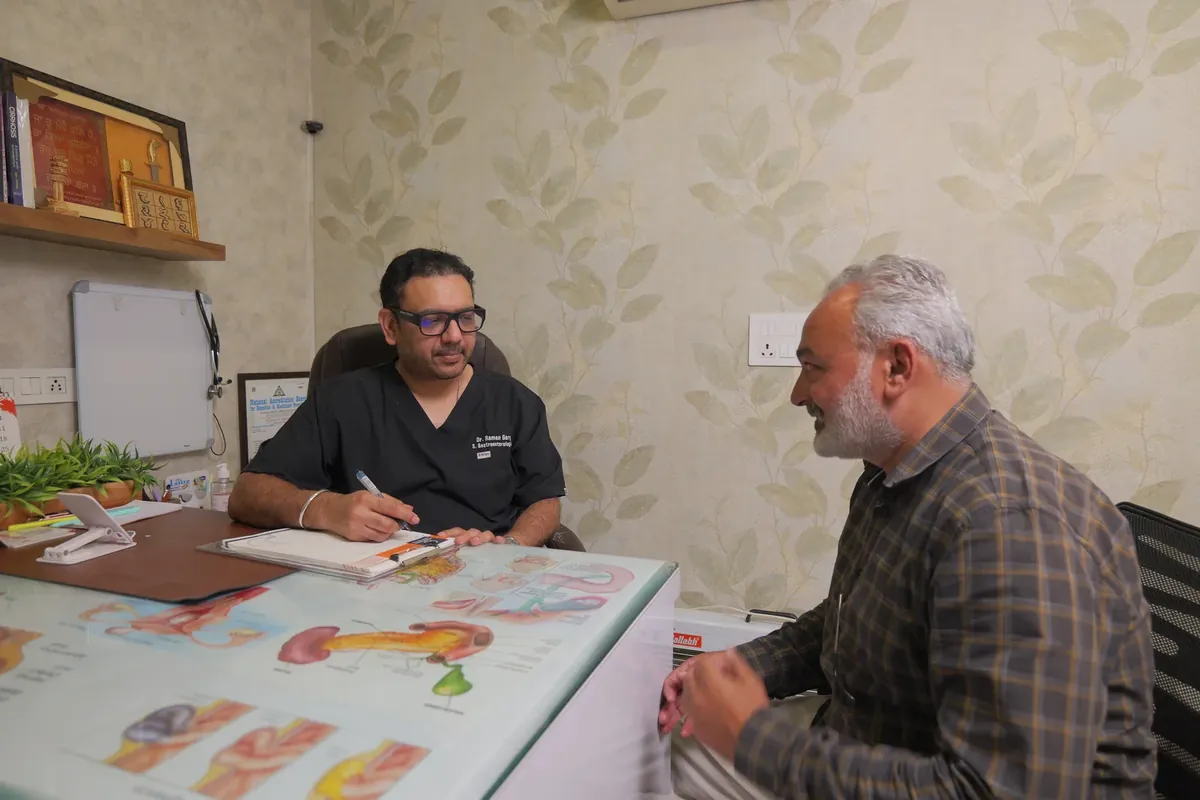
Liver test results need context
A change in a liver blood test does not by itself identify the cause or severity of a liver condition. Results may be affected by medicines, infection, alcohol, metabolic conditions, bile-duct problems and other factors. Bring the full report, earlier results and a list of medicines or supplements. The clinician can compare trends and decide whether repeat testing, imaging or another specialist opinion is appropriate.
Seek prompt assessment for yellowing of the eyes, very dark urine, pale stools, new abdominal swelling, confusion, vomiting blood, black stools or easy bleeding. Jaundice with fever or severe pain needs urgent evaluation. These symptoms can signal serious illness; do not wait for a routine appointment if you are acutely unwell.
Which specialist may be involved
Liver care can involve medical gastroenterology, hepatology, infectious disease, radiology, oncology or surgical gastroenterology depending on the diagnosis. A surgical gastroenterologist may assess a liver or biliary problem when an operation is being considered; long-term medical management may require a different specialist or coordinated team. Ask who will lead your care and how referrals and test results will be shared.
Possible investigations depend on the history and examination. A clinician may discuss liver blood tests, viral markers, ultrasound, elastography, CT, MRI or a biopsy in selected cases. No patient needs every test. Ask what question each test answers, what preparation is required and what the next step will be for each possible result.
Treatment and surgery are not the same
Treatment depends on the cause and stage of disease. Some conditions are managed with medicines and monitoring; others need a procedure or surgery. A liver operation should only be discussed after review of diagnosis, imaging, liver function, general health and the balance of potential benefit and risk. Do not interpret a webpage as a promise that surgery is available or appropriate for every liver condition.
Ask about treatment goals, alternatives, likely follow-up, possible side effects and which symptoms should prompt urgent contact. If you have cirrhosis, take prescribed medicines as directed and ask before using over-the-counter painkillers, supplements or herbal products. Do not stop treatment because a blood test improves without talking to the clinician.
Appointment and related information
Bring prior scans, reports, prescriptions, discharge summaries and details of alcohol use if relevant to your care. Be candid about medicines and supplements; the information helps the clinician assess safety and cause. Ask how quickly results will be reviewed and how to contact the clinic if symptoms change.
For related reading, see fatty liver information, cirrhosis care and the gastroenterology consultation guide. Use the contact page for current appointment arrangements. A single online price cannot represent liver care; request a written estimate for the tests or treatment recommended after assessment.
How to make sense of liver investigations
Liver blood tests include different markers, and a rise in one value does not automatically mean permanent damage. The pattern, trend, symptoms, medicines, alcohol exposure and medical history all matter. Bring the full laboratory report with reference ranges and older results if available. Ask which result is abnormal, how significant it is, whether it should be repeated and what the next test is expected to clarify.
Ultrasound can show some structural changes but may not answer every question about inflammation or scarring. Elastography, CT, MRI or biopsy may be considered in selected situations. Ask about benefits, limitations, preparation and possible findings before agreeing to an investigation. A clinician should explain how the results will influence care rather than ordering tests without a clear purpose.
Liver care can be shared between several specialists. Ask who is the main contact, who will review results and whether a referral is needed. If a surgical opinion is discussed, ask whether the issue involves a tumour, bile duct, gallbladder or another condition and what alternatives exist. Medical treatment, monitoring and surgery address different problems and should not be confused.
Medicines, supplements and safety
Some prescription medicines, non-prescription painkillers and herbal supplements can affect the liver or interact with other treatment. Share the name and dose of everything you take, including products bought online or traditional remedies. Do not stop a prescribed medicine without advice, because stopping may also cause harm. Ask whether a product is safe for your diagnosis and whether liver tests need monitoring.
If you have been diagnosed with cirrhosis or another chronic liver condition, ask about vaccination, nutrition, alcohol, infection prevention and monitoring that may be relevant to you. Do not assume all patients receive the same schedule. Keep a record of appointments and test results so different clinicians can coordinate care.
Urgent symptoms include confusion, vomiting blood, black stools, new abdominal swelling, unusual bleeding or yellowing of the eyes with fever. Seek immediate medical assessment if these occur. For related reading, see fatty liver information and cirrhosis care; use the contact page for routine appointment arrangements.
Monitoring and practical preparation
For a chronic liver condition, follow-up can include repeat blood tests, imaging, medicine review or assessment for complications. The timing depends on the diagnosis and previous results. Ask for the next review date and whether tests should be completed before the appointment. Keep a simple record of results and medicine changes so that a new clinician can see the pattern over time.
Before a visit, note any new swelling, bruising, sleep changes, appetite changes or episodes of confusion. Bring discharge summaries and contact details for other specialists involved. If you have a sudden serious symptom, do not wait for the planned monitoring appointment. Use urgent medical services and tell the treating team about your liver diagnosis and medicines.
This page provides general educational information and is not a diagnosis or personal medical advice. Treatment and recovery depend on clinical assessment. For severe or rapidly worsening symptoms, seek urgent medical care.