For local information about related care, see liver disease information in Bathinda.
Fatty liver means excess fat has built up in the liver, but the cause and significance can differ between people. A scan or blood-test result should be interpreted with medical history, examination and other findings. This guide explains common terms and questions for a clinician. It does not diagnose liver disease or prescribe a diet, medicine or weight-loss plan.
If you have jaundice, confusion, severe abdominal swelling, vomiting blood, black stools or rapidly worsening symptoms, seek urgent medical care. Those signs can have multiple causes and need professional assessment. Do not wait for an online reply or rely on a single test result to judge the urgency.
What does “fatty liver” mean?
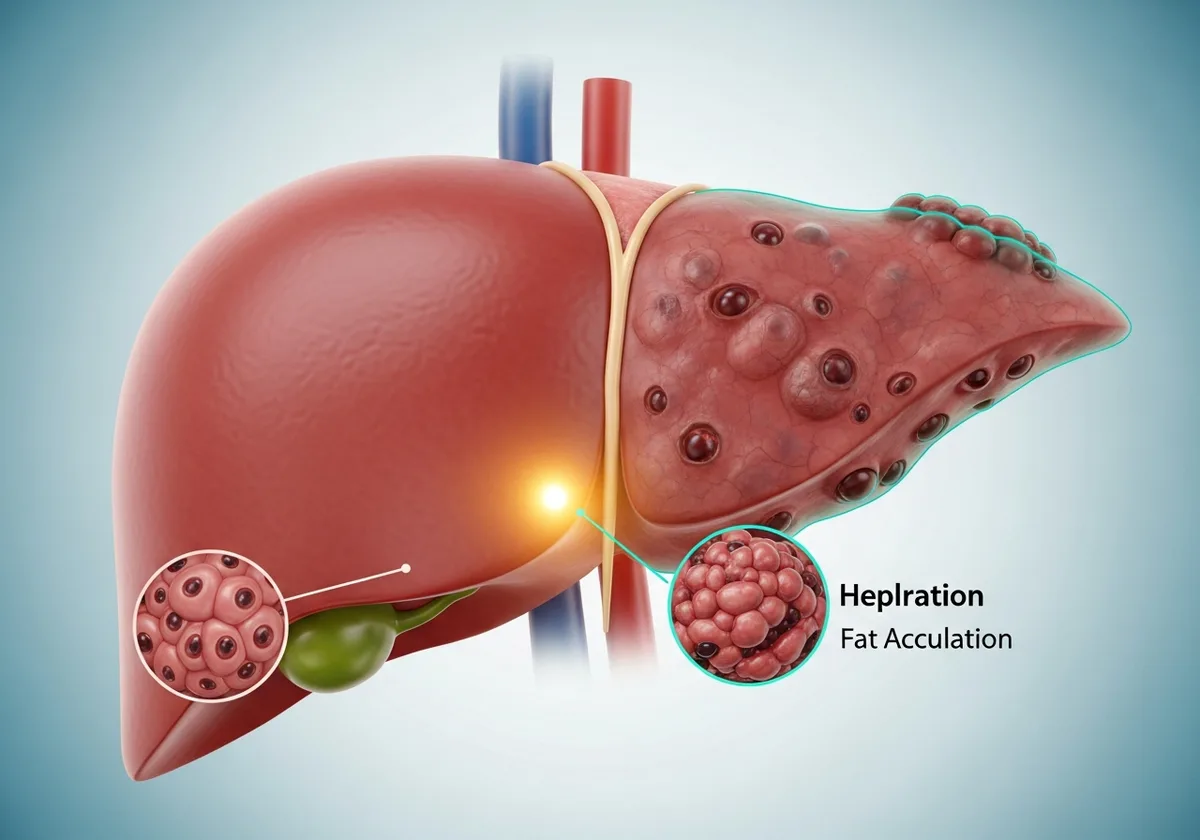
Fat can accumulate in the liver for different reasons, including metabolic health factors and alcohol-related causes. Medical terminology is changing: some clinicians now use terms such as metabolic dysfunction-associated steatotic liver disease (MASLD) for certain forms previously described as non-alcoholic fatty liver disease. The exact term used in a report may depend on when it was written and the clinician's assessment.
Fat on imaging does not by itself show whether there is inflammation or scarring. Some people have no symptoms, while others have an underlying condition that needs attention. A person should not assume that fatigue, abdominal discomfort or a single abnormal liver enzyme has one specific cause. A clinician reviews the whole picture and explains what remains uncertain.
Who may need assessment?
A clinician may review a fatty liver finding after an ultrasound, blood test or another examination. Metabolic conditions, some medicines, alcohol use and other health factors may be relevant. This is not a complete checklist and does not mean any one factor proves liver disease. Be open with the clinician about prescribed and non-prescribed medicines, supplements, alcohol, family history and other diagnoses; this context can guide safe evaluation.
People with diabetes, high cholesterol, excess weight or other long-term conditions may need coordinated care. However, a person's risk cannot be determined from a short online article. Ask whether your primary clinician, gastroenterologist, liver specialist or another professional should review the result. If you are pregnant, have a complex condition or take several medicines, mention it before discussing changes.
How is fatty liver evaluated?
Evaluation may include questions about health history, a physical examination, blood tests and imaging. Depending on the person, a clinician may consider additional tests to assess the chance of liver scarring or to investigate another cause. Ultrasound may show fat, but it does not answer every question about inflammation or fibrosis. Blood tests also have limits: a result needs to be interpreted with the person's history and other findings.
Not everyone needs every test, and one scan or laboratory value does not always establish the full stage of liver disease. Ask what the result can tell you, what it cannot tell you and whether another test would change management. If a report uses unfamiliar abbreviations, request a plain-language explanation. Bring older reports so the clinician can compare trends instead of interpreting one number in isolation.
Understanding test reports
A laboratory report may flag a value outside its reference range, but a flagged result is not a diagnosis by itself. Results can be influenced by medicines, recent illness, other conditions and the laboratory's reference range. Imaging wording can also be technical and should be discussed with a clinician. Avoid comparing your numbers with a relative's result or using a website to select supplements or stop a prescribed medicine.
Ask the clinician to explain the main finding, possible causes, whether the result is urgent, whether further tests are recommended and when follow-up should happen. It may help to write down the questions before the visit. If test results are not available during the appointment, confirm who will contact you and how you can ask about them later.
Care and follow-up conversations
Care depends on the cause, stage, associated health conditions and a person's preferences. A clinician may discuss metabolic health, nutrition, physical activity, alcohol use, medicines and follow-up. There is no one plan that suits everyone. Do not begin a restrictive diet, stop a prescribed medicine or use “liver detox” supplements without speaking to a qualified clinician; some products can interact with treatment or affect the liver.
If lifestyle changes are discussed, ask for goals that are realistic, safe and appropriate for your health. A clinician or qualified dietitian can tailor advice to other diagnoses, medicines, food access and daily routine. People with a history of eating disorders, frailty, pregnancy or complex illness need individualized support. Follow-up intervals depend on the findings and risk, so do not assume a specific scan schedule applies to everyone.
Liver health may be considered alongside blood pressure, blood sugar, cholesterol and other long-term health needs. A clinician can explain whether these are relevant to your individual assessment and which professional should coordinate care. It is reasonable to ask how progress will be judged: symptoms, repeat laboratory tests, imaging or another method may be used depending on the case. A single number should not be treated as the whole picture, and normal day-to-day wellbeing does not replace agreed follow-up.
When a care plan includes changes to meals or activity, discuss barriers openly. Shift work, caregiving, mobility, cost, cultural food preferences and other diagnoses can affect what is practical. The goal is not to copy an online plan but to agree on steps that are safe and sustainable for the person. Ask when to review the plan and how to contact the team if a recommended change causes problems.
Keep copies of test reports and note the date and reason for each review. This can help a new clinician understand the timeline if you move or seek another opinion. If a test result is not explained, ask for clarification rather than assuming it is harmless or serious. Some results need a planned review rather than an emergency visit, while specific warning signs need prompt assessment; the treating clinician can explain the difference for your case.
For local information, see fatty liver care in Bathinda and liver specialist assessment. These pages are informational; contact the clinic to confirm current services and appointment details.
Questions to take to your appointment
- What does the report show, and what does it not show?
- Could another condition or medicine explain the result?
- Do I need additional tests to assess inflammation or scarring?
- Which health factors should be managed first?
- Should I speak with a dietitian or another specialist?
- Are any supplements or medicines unsafe for my liver?
- When should I return, and who will contact me about pending results?
- Which symptoms should prompt urgent medical assessment?
Bring a complete medicine list, test reports and details about supplements. If you are unsure how to follow a recommendation, ask for a practical explanation rather than trying to interpret it alone. Written instructions can help you remember the plan after the visit.
When to seek medical advice
Many people with fatty liver feel well, but symptoms should not be ignored or automatically blamed on the liver. Seek routine medical advice for persistent unexplained symptoms or questions about a scan or blood test. Seek urgent care for jaundice, confusion, severe swelling, vomiting blood, black stools or sudden deterioration. If you are unsure how urgent a symptom is, contact a medical professional or local emergency service for guidance.
People sometimes discover a liver finding while being tested for another reason. In that situation, ask whether the finding needs action now or can be discussed at a planned appointment. The answer depends on the report and the person's condition. If the clinic has asked for repeat testing, confirm the timing and how results will be communicated. Do not assume that an unchanged symptom means a test is unnecessary, or that a changed value is an emergency without clinical interpretation.
Care is often coordinated across more than one professional. Ask who is responsible for reviewing the liver results and how information will be shared with your primary clinician or other specialists. This is particularly helpful when several conditions or medicines are involved. A clear plan should state the next step, who will arrange it and when to seek earlier help if new symptoms develop.
Common questions
Can a normal liver enzyme result rule out fatty liver?
A blood test alone may not answer every question. Ask a clinician how your test results and imaging fit together and whether further assessment is needed.
Does a fatty liver scan tell the stage?
Imaging can provide useful information, but different tests have limits. A clinician decides whether additional fibrosis assessment is appropriate.
Should I stop a medicine if a test is abnormal?
No. Do not stop prescribed treatment on your own. Contact the clinician who prescribed it and ask how the result should be interpreted.
Can a supplement cleanse the liver?
Do not rely on detox products. Some supplements can cause harm or interact with medicines; discuss any product with a qualified clinician.
How often should fatty liver be checked?
Follow-up depends on the diagnosis, test results and personal health. Ask the clinician for an interval that fits your situation.
Further reading
See the NIDDK information on fatty liver and NASH and the MedlinePlus steatotic liver disease overview. This article is general education, not individualized medical advice.