For local information about related care, see hernia doctor in Bathinda.
A hernia is a weakness or opening in a muscle or tissue wall that allows internal tissue to push through. It may appear as a lump, cause discomfort, or be found during an examination. Symptoms and treatment vary by type and by person. This guide explains common terms and questions to discuss with a clinician; it cannot confirm a diagnosis or recommend an operation for an individual.
If you have a new lump or persistent discomfort, arrange medical assessment. Severe or rapidly worsening pain, vomiting, a swollen abdomen, fever, or a lump that becomes firm or changes colour needs urgent medical attention. Do not wait for a routine appointment if you feel seriously unwell.
What is a hernia?
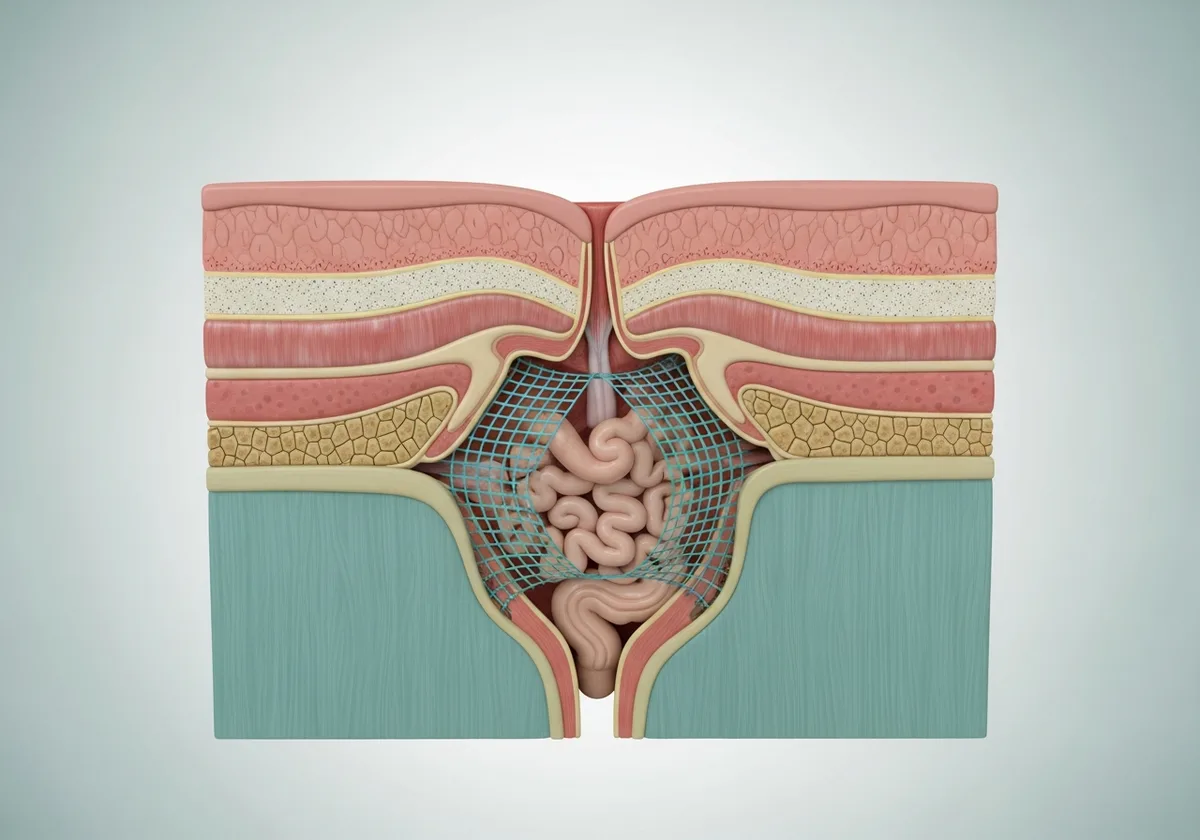
Muscles and connective tissues help keep organs and other structures in place. A hernia develops when tissue moves through a weak area. The visible bulge may become more noticeable with coughing, lifting, standing or straining and may look smaller when lying down. However, not every lump is a hernia, and some hernias are internal or difficult to see. A clinician considers the location, history, symptoms and examination rather than relying on a photograph or online description.
Hernias are described by where they occur. Inguinal hernias are in the groin, umbilical hernias are near the navel, and incisional hernias develop around a previous surgical incision. Femoral hernias occur in the upper thigh near the groin. A hiatus hernia involves part of the stomach moving through an opening in the diaphragm and may be associated with reflux symptoms. These types are not interchangeable: assessment and possible treatment differ.
Symptoms can vary
Some people notice a soft bulge or a feeling of pressure. Others report aching or discomfort during activity, coughing or prolonged standing. A hernia may cause few symptoms, and the size of a bulge does not always tell you how serious the condition is. A hiatus hernia may be associated with heartburn or reflux, while a groin hernia may show as a lump that changes with posture. Similar symptoms can have other causes, so self-diagnosis is unreliable.
Tell the clinician when the symptom started, whether it changes during the day, what makes it better or worse, and whether you have had previous abdominal surgery. Mention medicines, existing health conditions and any prior hernia repair. If possible, bring earlier scan reports and a list of questions. Honest details help the clinician decide whether examination alone is enough or whether imaging is useful.
When to seek urgent care
Most hernia questions can be discussed in a planned consultation, but some changes should not wait. Seek urgent medical assessment for severe or increasing pain, repeated vomiting, a swollen abdomen, inability to pass stool or gas, fever, or a bulge that becomes firm, very tender, discoloured or no longer changes as it usually does. These signs can have several causes and cannot be assessed safely through a blog. If symptoms are sudden or severe, use the nearest emergency service rather than waiting for a message or routine clinic booking.
A painful or changing hernia does not prove that an emergency complication has occurred, but it does need timely professional assessment. Avoid forcefully pushing a painful lump back in. Do not delay care to compare procedure prices or wait for an online reply. The appropriate next step depends on an examination and, when needed, tests.
How is a hernia assessed?
A clinician usually asks about symptoms, health history and previous procedures, then examines the relevant area. They may ask you to stand, cough or change position because a bulge can be easier to identify in some positions. Ultrasound or other imaging may be considered when the examination is uncertain, the hernia is not visible, or more detail is needed for planning. Imaging is not automatically required for every person.
The assessment should explain what is known, what remains uncertain and whether another condition could be causing the symptoms. Ask what the scan can and cannot show, whether follow-up is needed and what changes should prompt urgent review. If an operation is being considered, ask which findings support that recommendation and whether observation or another option is reasonable for your situation.
Observation and treatment choices
Not every hernia requires an immediate operation. Depending on the type, symptoms, examination and overall health, a clinician may discuss monitoring, symptom management or repair. A treatment plan should be individual. Age, work, activity, previous operations, anaesthesia considerations and other conditions can affect the discussion. Never use a general online rule to decide that a hernia is safe to ignore or that surgery is necessary.
For a hernia repair, the surgeon may discuss an open approach or a minimally invasive approach. The choice depends on the hernia, the person's medical history, previous repairs, the surgeon's assessment and the resources available. Each option has potential benefits and risks. Ask about recurrence, infection, bleeding, anaesthesia, pain control, mesh if it is proposed, and what may cause the plan to change during surgery.
For local information about assessment and options, see hernia surgery in Bathinda and laparoscopic hernia surgery. Those pages are informational; the treating clinician must decide what is suitable after examining the patient.
Questions to ask before hernia surgery
- What type of hernia do I have, and how certain is the diagnosis?
- What are the reasonable options for my symptoms and health?
- Why are you recommending this approach rather than another one?
- What are the possible complications, and how often might they matter in my case?
- Will mesh be used? If so, why, what alternatives exist and what should I know about it?
- What tests, medicines or anaesthesia assessment are needed before the procedure?
- What will admission, discharge, wound care and follow-up involve?
- When may I return to driving, work, exercise or lifting, and who should I contact with a concern?
Ask for explanations in a language you understand and request written instructions. If you are unsure, asking for clarification or a second opinion is reasonable. Do not stop a prescribed medicine or begin a new medicine based only on online content.
Recovery and follow-up
Recovery time is not identical for everyone. It depends on the operation, the findings, the person's health, the type of work and how healing progresses. The surgical team should provide instructions about activity, wound care, medicines and follow-up. Ask which symptoms are expected and which need a call or urgent assessment. Avoid using a fixed number of days from another person's story as a promise for your own recovery.
Follow-up gives the team an opportunity to review healing and address questions. If you have persistent pain, a new bulge, wound changes, fever or another concern, contact a clinician. If symptoms are severe, rapidly worsening or accompanied by vomiting or inability to pass stool or gas, seek urgent care.
Before leaving the hospital, confirm who will review the wound, when the next appointment is due and how to get help outside clinic hours. If you care for someone after surgery, ask what support they may need at home and whether any restrictions apply to bathing, dressing changes or travel. These details vary with the procedure and the person's health, so written instructions from the treating team are more useful than a generic checklist.
Understanding cost estimates
There is no single online price that applies to every hernia repair. An estimate may depend on the hernia type and complexity, tests, anaesthesia, facility, length of admission, medicines and follow-up. Before planned treatment, ask the hospital for a current written estimate and a clear list of what it includes and excludes. Ask how insurance pre-authorisation works if you plan to use a policy. A cost estimate is not a substitute for urgent assessment when symptoms suddenly worsen.
Ask whether the estimate assumes a particular surgical approach and what happens if the operative plan needs to change. Confirm whether repeat visits, dressings, investigations or treatment of an unexpected complication are included. Keep copies of receipts and discharge notes for future care. When comparing estimates, compare the same services rather than choosing only by the headline figure. The safest plan is one explained by the clinician who has reviewed the patient and reports.
Common questions
Can a hernia go away without surgery?
It depends on the type and the person's circumstances. Some hernias may be monitored, while others may need repair. A clinician can explain the risks of observation and when to return for review.
Does every hernia cause a visible lump?
No. Some hernias are not easy to see, and an internal hiatus hernia may not create an external lump. A new lump can also have causes other than a hernia, so it should be assessed.
Is laparoscopic repair suitable for everyone?
No. The approach depends on the hernia, previous operations, health, examination and available clinical resources. Ask the surgeon to compare the relevant options for your case.
When is a hernia an emergency?
Severe or worsening pain, vomiting, abdominal swelling, fever, or a painful firm or discoloured bulge needs urgent medical assessment. Do not rely on this list to rule out an emergency.
Where can I ask about a consultation in Bathinda?
Use the clinic contact page to confirm current appointments, hours, address and fees. For emergency symptoms, go to an emergency facility instead of waiting for a routine appointment.
Further reading
For general patient information, see the NHS hernia guide and MedlinePlus hernia information. This article is for education and does not replace professional assessment.