For local information about related care, see gallstone surgery in Bathinda.
Gallstones are solid deposits that form in the gallbladder. Many people have no symptoms, while a stone that blocks a duct can cause pain or complications. The right next step depends on symptoms, test results and overall health. This article explains common terms and consultation questions; it does not diagnose gallstones or tell an individual whether to have surgery.
Seek urgent medical advice for severe or persistent abdominal pain, fever, repeated vomiting, yellowing of the eyes or skin, dark urine, or feeling seriously unwell. Those symptoms can have different causes, so do not assume they are gallstones or wait for an online response.
What are gallstones?
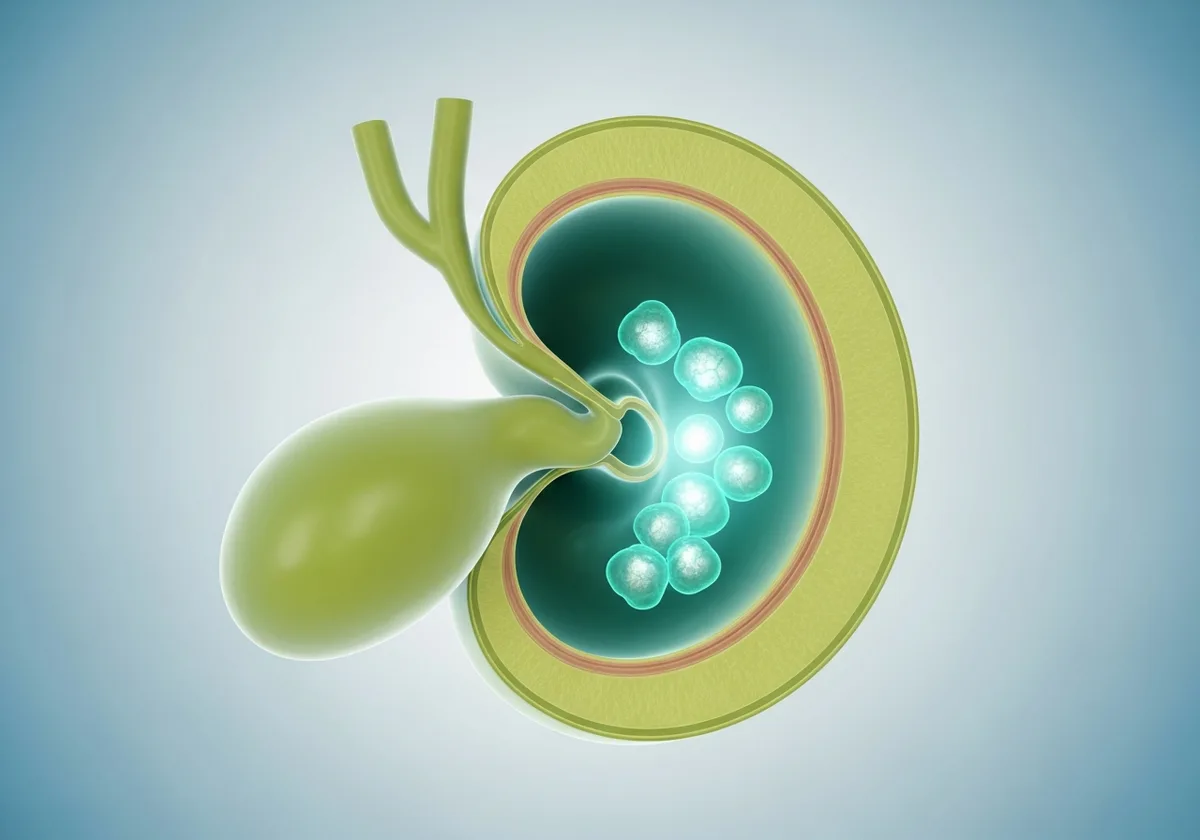
The gallbladder stores bile, a fluid that helps the body digest fats. Gallstones are hard pieces of material that form inside the gallbladder. They can vary in size and number. A stone may remain in the gallbladder without causing symptoms, or it may move and block a duct. A blocked duct can affect the flow of bile and may lead to pain or other problems. The location of a stone matters, and an image or symptom description alone may not tell the full story.
Gallstones are not the same as every cause of abdominal pain or indigestion. Similar symptoms can come from the stomach, liver, pancreas, bowel, heart or other conditions. A clinician considers the pattern of pain, medical history, examination and test results together. Avoid trying to identify a stone by symptoms alone or starting a restrictive diet without advice.
Possible symptoms
Some people have no symptoms and discover gallstones during a scan done for another reason. When symptoms occur, they may include pain in the upper abdomen, sometimes after a meal, or pain that spreads toward the back or shoulder. The location, duration and pattern vary. Nausea can occur, but nausea alone does not confirm gallstones. Tell a clinician how often symptoms happen, how long they last and whether anything else changes at the same time.
Symptoms that can suggest a complication include persistent or severe pain, fever or chills, repeated vomiting, jaundice, dark urine or pale stools. These features can require prompt assessment. A blog cannot determine whether a duct is blocked or whether another urgent condition is present. If symptoms are intense or worsening, seek emergency medical care.
How are gallstones assessed?
A clinician may ask about symptoms, prior illnesses, medicines and relevant family or health history. Examination and blood tests may be used to look for inflammation or effects on the liver and bile ducts. An ultrasound is commonly used to look at the gallbladder; other imaging or tests may be considered when a duct stone or another diagnosis is suspected. The exact tests depend on the case, and not everyone needs every investigation.
Ask what the report actually shows: stones in the gallbladder, possible duct involvement, inflammation, or an uncertain finding. Ask whether the results explain the symptoms and whether additional tests or specialist review are recommended. If the scan report contains unfamiliar words, bring it to the appointment rather than interpreting it alone. The clinician can explain the limits of each test and what result would change the plan.
When are gallstones treated?
Management depends on whether stones cause symptoms, where they are, whether complications are present and how the person is doing overall. A clinician may recommend observation in some situations, while symptomatic or complicated disease may need active treatment. The decision should be explained in terms of likely benefits, possible harms and alternatives. One person's treatment is not a rule for another person.
If gallbladder removal is discussed, the surgeon can explain why it is being considered, what the procedure involves and what risks apply. Laparoscopic surgery uses a camera and instruments through small incisions in selected cases, while an open approach or a change in approach may be needed in other circumstances. The choice depends on examination, anatomy, inflammation, previous operations and clinical judgment. Ask about anaesthesia, bleeding, infection, bile duct injury, possible conversion and follow-up without assuming any approach is risk-free.
For Bathinda-specific information, read about gallbladder stone treatment and laparoscopic gallbladder surgery. The clinician must review your reports and decide whether those options apply to you.
Food, daily routine and gallstones
Food choices do not reliably dissolve every gallstone, and a diet change should not replace evaluation of concerning symptoms. Some people notice that particular meals trigger discomfort; keeping a short symptom and meal diary may help a clinician understand the pattern. Avoid extreme diets or rapid weight-loss plans unless a qualified clinician has advised you. Individual nutrition needs vary, especially for people with diabetes, pregnancy, liver disease or other medical conditions.
Ask a clinician whether a dietitian or another specialist would be useful. If a meal seems to trigger symptoms, discuss a practical approach instead of removing multiple food groups on your own. Stay hydrated according to your clinician's advice, particularly if you have been told to restrict fluids for another condition. Do not start over-the-counter products or supplements claimed to “flush” gallstones; they may delay appropriate care or interact with medicines.
It can help to record the timing of pain, meals, nausea, fever and any changes in urine or stool for the appointment. A diary is not a diagnostic tool, but it can make the history clearer. If symptoms are severe, persistent or accompanied by jaundice or fever, do not wait to complete a diary. Seek medical assessment first. Follow any fasting or medication instructions only when they have been provided by the care team for a specific test or procedure.
Preparing for a consultation
Bring the ultrasound or other imaging report, blood-test results, a list of medicines and allergies, and notes about when pain occurs. Include relevant conditions and prior abdominal procedures. If someone is helping you make decisions, ask whether they can attend or join a call. Tell the team if symptoms have changed since the scan or if you have developed fever, jaundice, vomiting or persistent pain.
Useful questions include: Are the stones in the gallbladder or a duct? Do the results explain my symptoms? What are the options and what could happen if I wait? Is further testing needed? What does the proposed operation involve? What are the risks and alternatives in my case? How long might admission and recovery take? Who should I contact if symptoms return? Request the answers in writing, especially if a procedure is planned.
If surgery is planned, ask what preparation is required, which medicines to take or pause, whether a pre-anaesthesia review is needed and whom to call if you become unwell before the date. Do not make medication changes unless the treating team tells you to. Ask about transport home and whether another adult should accompany you after anaesthesia. Clear instructions help avoid confusion, but they should be specific to the patient's operation and health rather than copied from another person.
Understanding surgery costs
An online figure cannot reflect every person's care. The estimate may depend on the diagnosis, whether a duct is involved, additional tests, anaesthesia, facility, admission, medicines and follow-up. Ask for a written estimate after assessment and request a breakdown of what it includes and excludes. If you have insurance, confirm eligibility, pre-authorisation and any costs that may remain with you. Do not delay urgent assessment because you are comparing prices.
If a proposed plan includes more than one procedure or an additional duct investigation, ask for separate estimates where possible. Ask who can explain a change in the estimate and how the hospital handles unexpected findings. Keep the estimate, consent information and discharge papers together. These practical steps do not change the medical recommendation, but they make it easier to understand what has been planned and whom to contact with administrative questions.
When comparing care, consider whether the estimate covers follow-up and who will answer questions after discharge. A low initial figure may not include the same services as another quote. Ask the provider to explain any exclusions in writing. Prices can change over time, so confirm current details directly with the hospital rather than relying on old web articles.
Common questions
Do all gallstones need surgery?
No single answer applies to everyone. Some stones do not cause symptoms, while other situations may need treatment. A clinician can explain the risks and options based on symptoms, imaging and health.
Can gallstones cause jaundice?
A stone that affects a bile duct can be one possible cause of jaundice, but jaundice has other causes. Yellow eyes or skin needs prompt medical assessment rather than self-diagnosis.
Will a scan always show where a stone is?
Different tests show different structures and may have limits. Ask the clinician what the specific report shows and whether another test is useful.
Can I treat gallstones with a home remedy?
Do not rely on “flushes” or supplements to diagnose or treat gallstones. Ask a clinician about safe care, particularly if symptoms are painful, persistent or accompanied by fever or jaundice.
Where can I ask about gallbladder care in Bathinda?
Use the contact page to confirm current clinic hours and appointment availability. Bring your reports and seek urgent care if symptoms are severe or worsening.
Further reading
See the NIDDK gallstones guide and the NHS gallstones information. This article is general education and is not a personal medical recommendation.