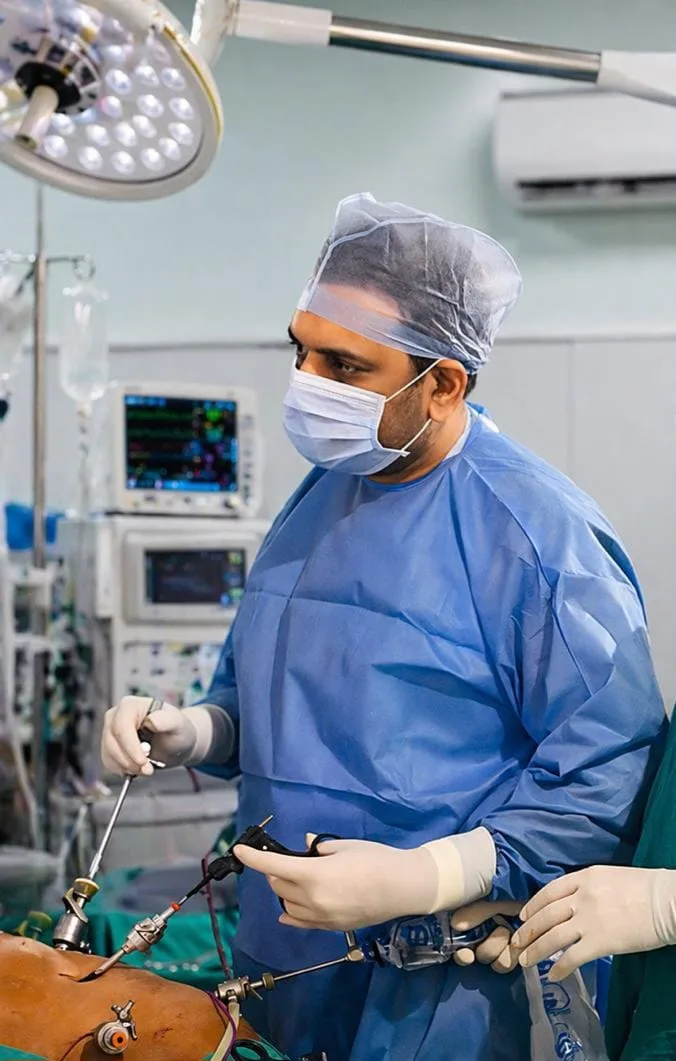
What minimally invasive surgery means
Laparoscopic or keyhole surgery uses a camera and instruments introduced through small incisions. It is a technique, not a diagnosis or a guarantee of an easier operation. It is used for selected procedures in the abdomen, and the best approach depends on the condition, anatomy, previous operations, urgency and patient health. Open surgery may be safer or more suitable in some situations.
A consultation should explain the problem being treated and why a particular approach is proposed. Ask whether the operation is elective or urgent, what alternatives exist, what could make the surgeon change approach, and what results the team is trying to achieve. A smaller skin incision does not mean there are no internal risks or that recovery will be identical for everyone.
Before Your Operation: Planning and Preparation
Planning may include an examination, imaging, blood tests, a review of medicines and an anaesthesia assessment. Share allergies, previous operations, pregnancy possibility, smoking, sleep apnoea, diabetes, blood-thinning medicines and any heart or lung condition. Bring prior reports to avoid unnecessary repetition. Ask which test results are still needed before a final plan can be made.
Follow the clinic’s instructions for fasting and medicines; do not copy another patient’s plan. Confirm the expected arrival time, who will contact you with changes, transport arrangements and the likely support needed at home. If the procedure is for an urgent condition such as suspected appendicitis, do not delay assessment to complete an elective checklist.
Benefits and trade-offs
For an appropriate operation, keyhole access may reduce the size of skin incisions and can affect pain, wound care and return to activity. The benefit is specific to the operation and patient; it cannot be promised in advance. The team should also discuss operative duration, the possibility of conversion to open surgery, equipment and anaesthesia needs, and the risks of bleeding, infection or injury to nearby organs.
Ask the surgeon to compare the expected benefits and trade-offs of laparoscopic and open approaches for your diagnosis. Find out whether previous abdominal surgery or scar tissue changes the plan. If you do not understand why an approach is recommended, ask for a plain-language explanation before giving consent for planned surgery.
Recovery and practical planning
The discharge plan should name the medicines, wound-care steps, activity limits, follow-up date and contact number. Ask when to bathe, drive, work, lift or exercise. Recovery can depend on the exact procedure, what was found during surgery and other health conditions, so a single online timeline may not fit. Arrange help with meals, transport or childcare if your care team recommends it.
Contact the treating team for new fever, worsening pain, repeated vomiting, breathing difficulty, increasing wound redness or drainage, or other warning signs listed on your discharge sheet. If a symptom is severe, seek urgent care. Keep follow-up even if you feel well so the clinician can review healing and results.
Cost questions and related pages
Cost depends on the procedure and what is needed before, during and after it. Ask whether the estimate includes tests, medicines, consumables, anaesthesia, hospital stay, follow-up and taxes; ask how an emergency change or longer admission affects the bill. Insurance coverage varies by policy, diagnosis and approval, so confirm directly with the insurer and billing team.
Explore procedure-specific information for hernia repair, gallbladder surgery and appendix surgery. The appointment page can help you confirm current clinic arrangements. This guide is general information, not a personal treatment recommendation.
Questions about the operating team and facility
Ask which clinician is responsible for the operation and who will provide anaesthesia and post-operative review. Confirm where the operation will take place, what monitoring is available and how urgent complications are handled. If more than one facility is involved for tests, admission or follow-up, ask how records and results will be shared. These practical details can help you understand the care pathway beyond the technique name.
For planned surgery, make sure you know the diagnosis and the exact procedure being proposed. Ask whether the plan could change after the surgeon sees the findings, what consent covers and how you will be told about a change. You may ask for clarification, an interpreter or a second opinion when time and clinical circumstances allow. A good decision includes understanding uncertainty, not only hearing potential benefits.
People with prior operations, abdominal infection, complex anatomy or serious medical conditions may need a different approach. Share these details early and bring old operation notes when possible. The surgeon can then explain whether laparoscopy, an open approach or a referral is safer. A procedure should be chosen for the individual diagnosis, not because one technique is always described as modern or superior.
When the planned approach changes
Sometimes the findings during an operation differ from what was expected before it. A surgeon may need to change the technique or extend the procedure for safety. Before planned surgery, ask how this possibility is handled, what your consent covers and how the team will communicate with your family. The decision is based on the findings and clinical judgement, not on a promise made by a general webpage.
If a change affects recovery or the original estimate, ask for an explanation and an updated plan. You should receive discharge instructions that reflect what was actually done. Keep the operation summary and bring it to future appointments so another clinician can understand the procedure and any follow-up needed.
This page provides general educational information and is not a diagnosis or personal medical advice. Treatment and recovery depend on clinical assessment. For severe or rapidly worsening symptoms, seek urgent medical care.