Dr. Raman Garg Successfully Treats Complete Rectal Prolapse with Sphincter-Preserving Surgery
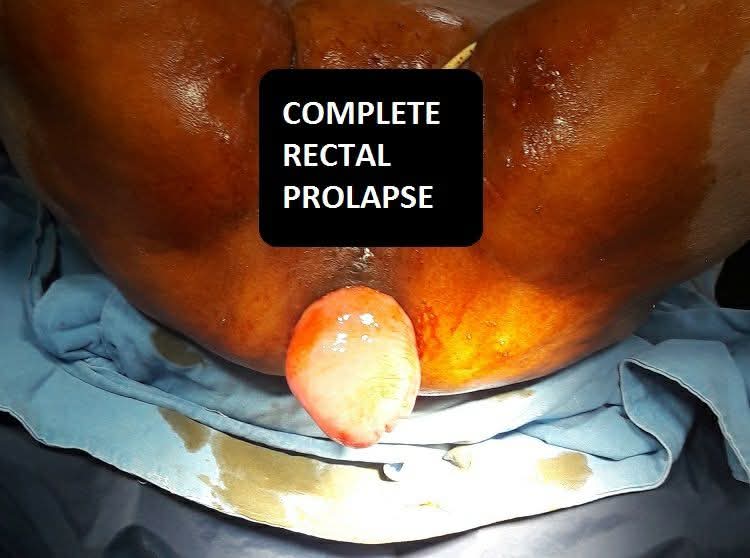
Complete rectal prolapse is a distressing colorectal condition in which the full thickness of the rectum protrudes through the anal canal. It commonly affects elderly patients and can cause chronic constipation, difficulty in passing stools, mucus discharge, bleeding, fecal incontinence, and a significant decline in quality of life.
Dr. Raman Garg, Senior Surgical Gastroenterologist, Colorectal Surgeon, and Advanced Laparoscopic Surgeon, successfully managed this challenging condition by performing a Perineal Proctosigmoidectomy (Altemeier's Procedure), a well-established sphincter-preserving operation particularly suitable for elderly patients.
Patient Presentation
A 72-year-old female presented with a six-month history of progressively worsening complete rectal prolapse associated with:
- A protruding mass through the anus.
- Chronic constipation.
- Difficulty passing stools.
- Pain and discomfort while walking and sitting.
- Marked impairment in daily activities and quality of life.
Clinical examination confirmed a complete full-thickness rectal prolapse.
Expert Colorectal Surgery by Dr. Raman Garg
After careful evaluation, Dr. Raman Garg planned a Perineal Proctosigmoidectomy (Altemeier's Procedure) at Bombay Gastro & Cancer Institute, Bathinda.
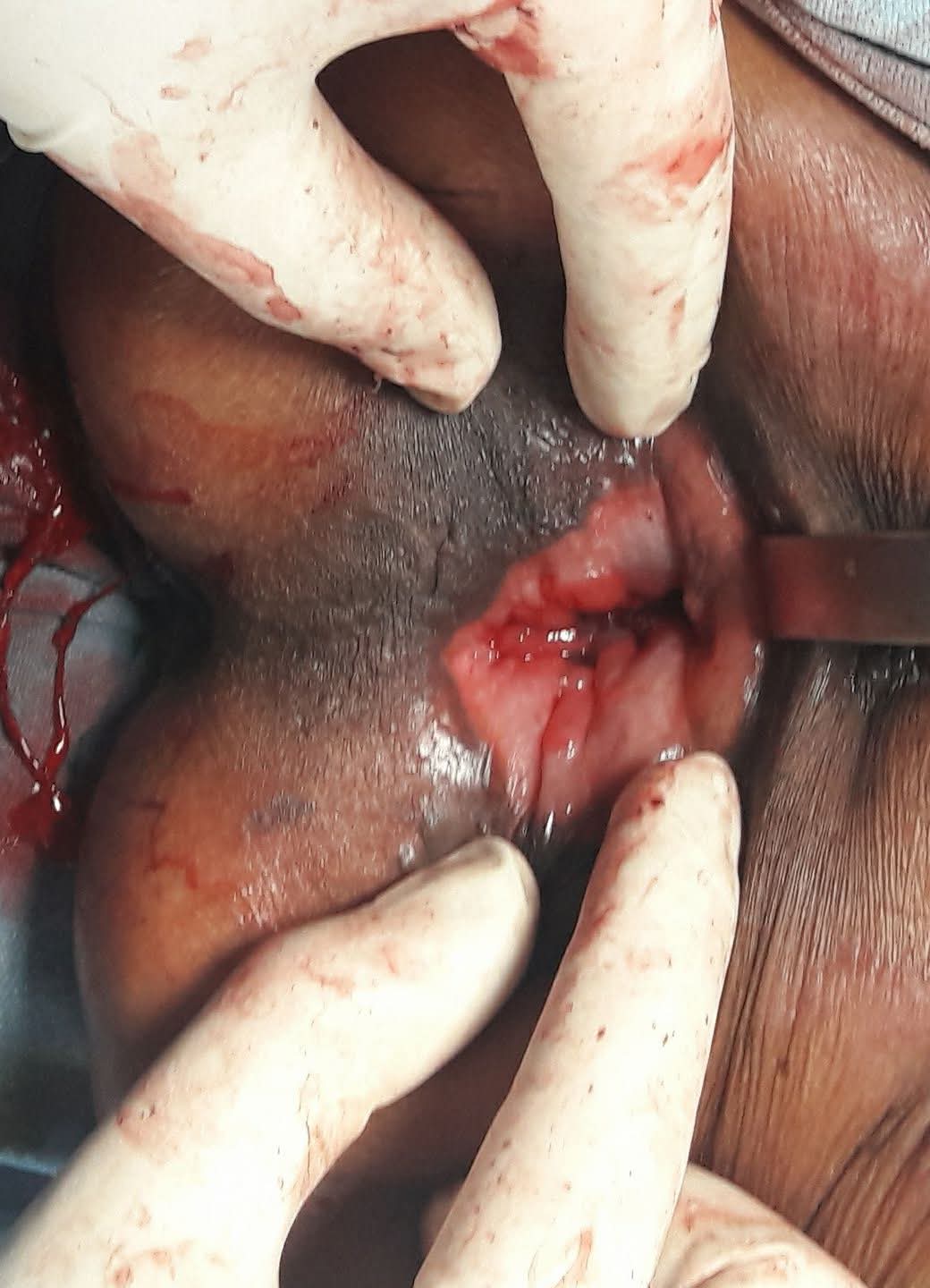
Using a perineal approach, the prolapsed rectum and redundant sigmoid colon were excised, followed by a Coloanal Anastomosis to restore normal bowel continuity and pelvic anatomy.
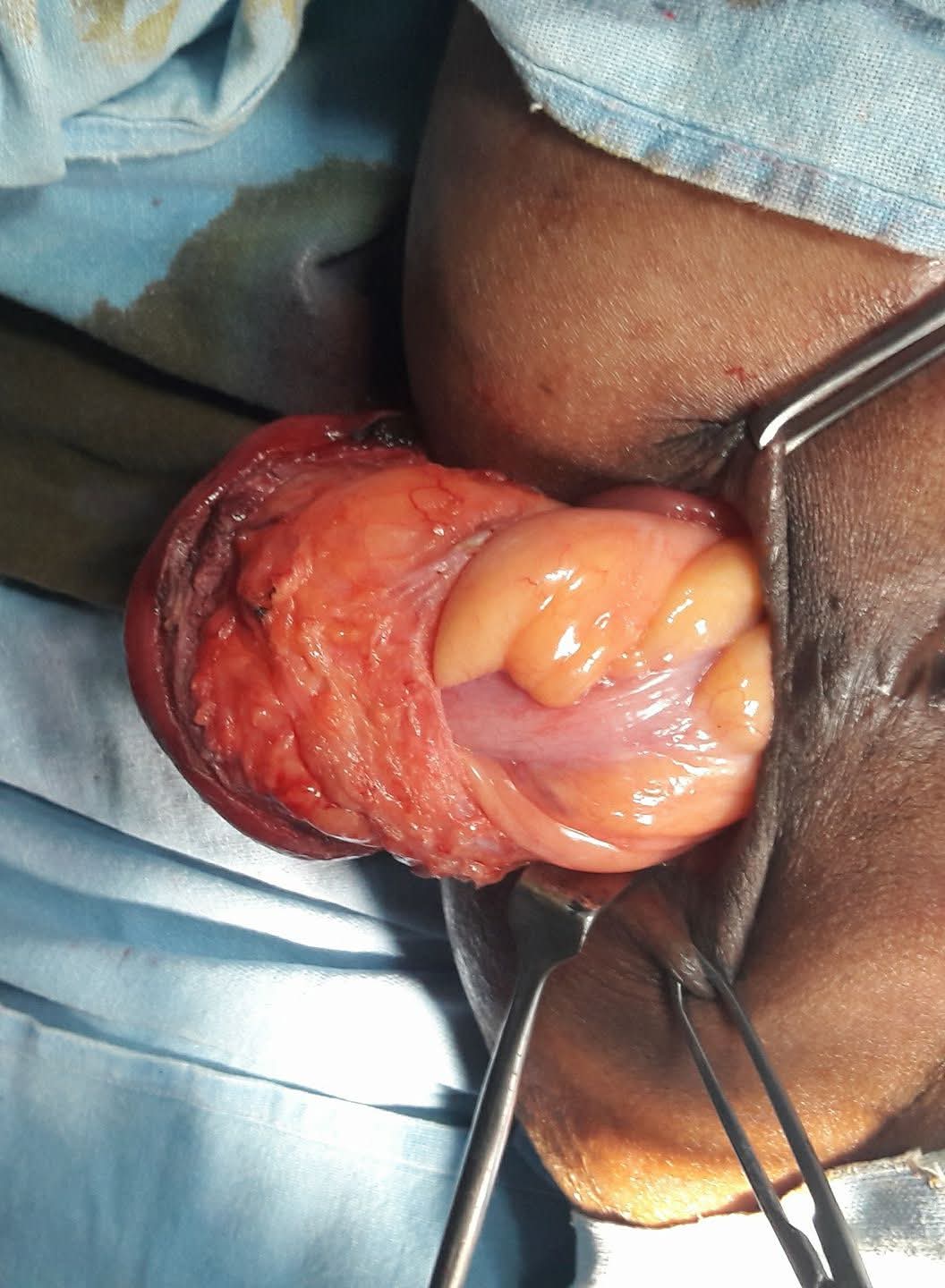
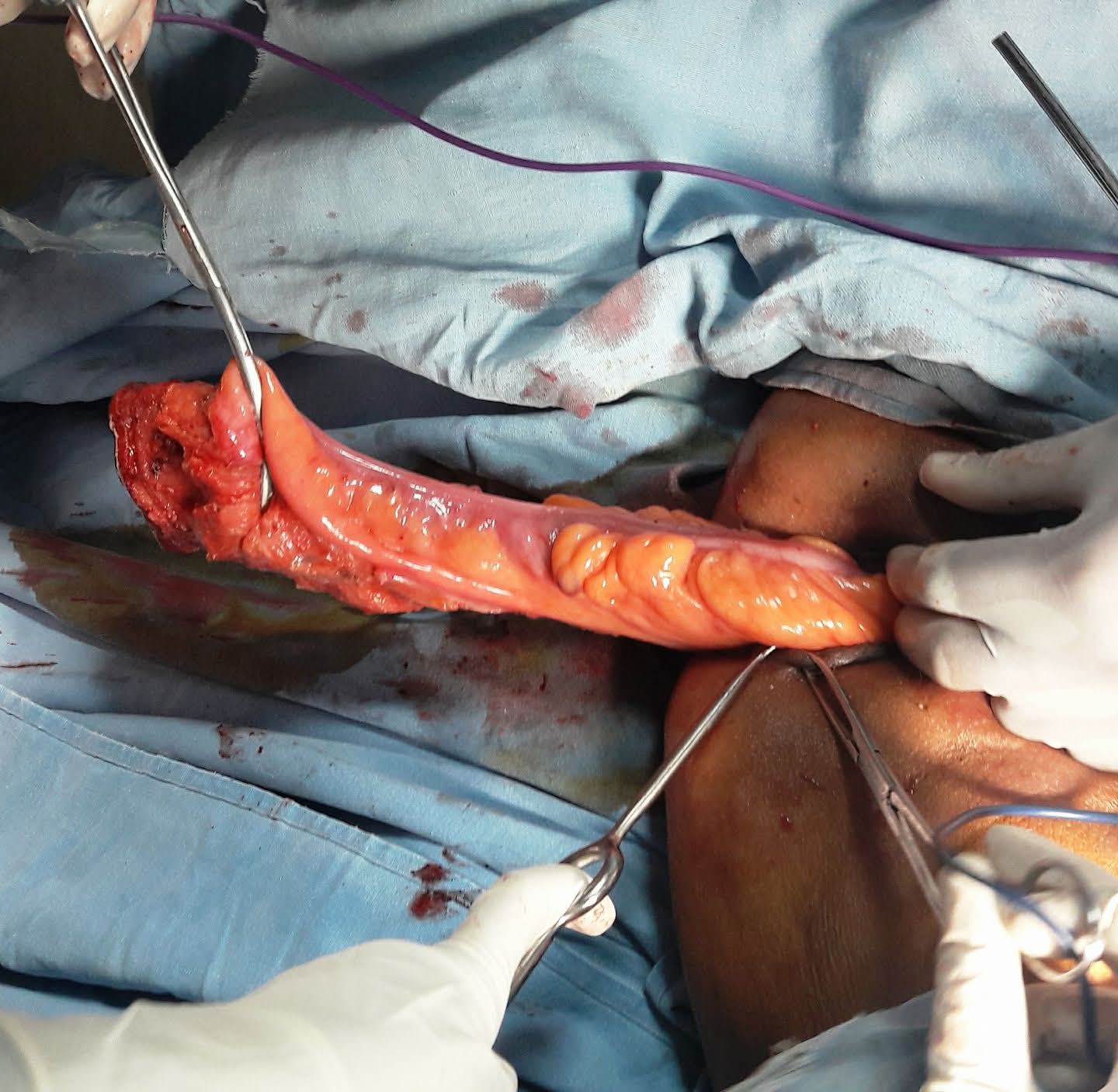
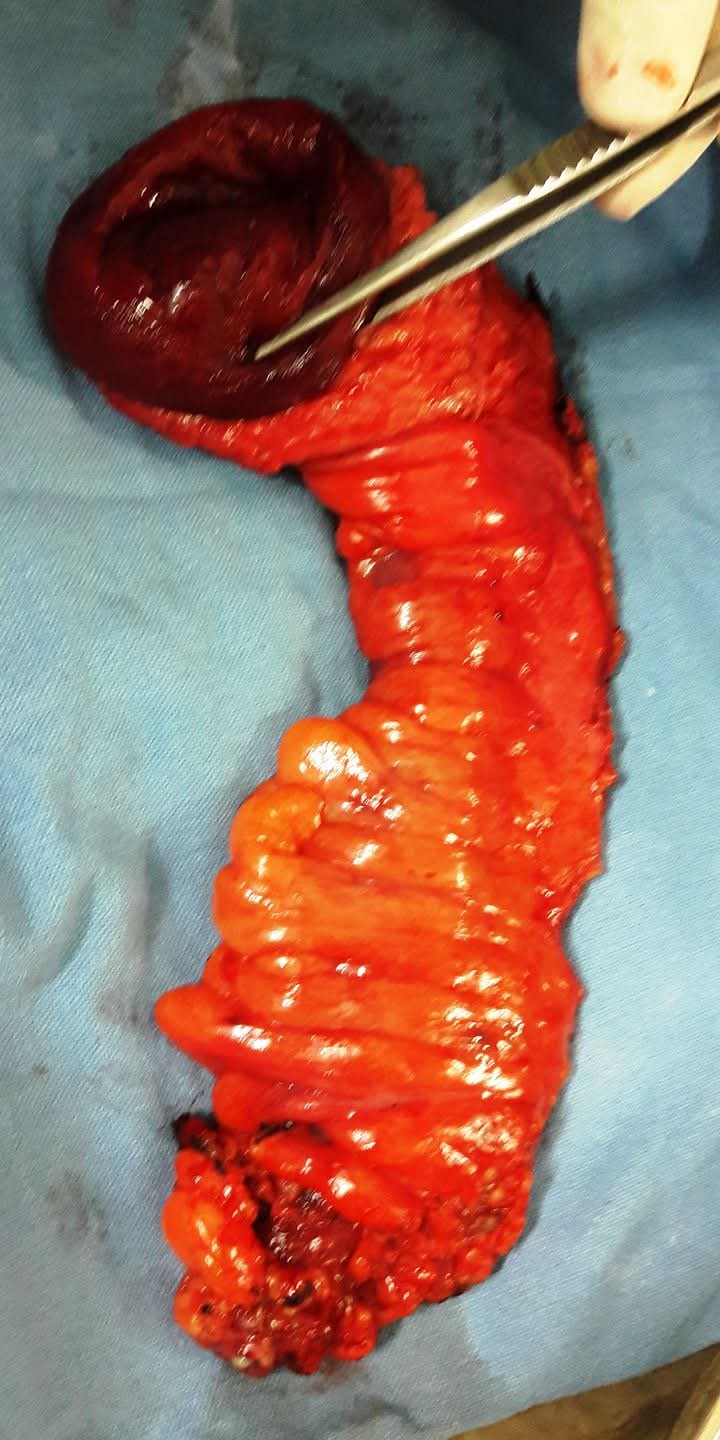
Because the surgery is performed entirely through the perineum, it avoids a major abdominal incision and is especially beneficial for elderly patients or those with significant medical comorbidities, offering lower surgical stress and faster recovery.
Excellent Postoperative Recovery
The patient had an uneventful postoperative recovery:
- Early mobilization after surgery.
- Gradual advancement to a normal oral diet.
- Comfortable bowel movements.
- No postoperative complications.
- Discharged in satisfactory condition on the 4th postoperative day.
Why This Case Is Important
Complete rectal prolapse is often underdiagnosed because many patients hesitate to seek medical attention due to embarrassment. Without treatment, symptoms usually worsen and significantly affect quality of life.
This case highlights that:
- Perineal Proctosigmoidectomy (Altemeier's Procedure) is an excellent option for elderly patients with complete rectal prolapse.
- The operation corrects the prolapse while avoiding a major abdominal surgery.
- Patients can achieve excellent functional outcomes with early recovery and minimal postoperative morbidity.
- Individualized surgical planning is essential for achieving the best long-term results in colorectal surgery.
Advanced Colorectal Surgery by Dr. Raman Garg
Dr. Raman Garg is a leading Surgical Gastroenterologist, Colorectal Surgeon, GI Cancer Surgeon, Advanced Laparoscopic Surgeon, and Hernia Specialist based in Bathinda, Punjab. He specializes in the comprehensive management of rectal prolapse, colorectal diseases, hemorrhoids (piles), fistula, fissure, constipation, and inflammatory bowel disease, with individualized treatment plans tailored to each patient's age, overall health, and disease severity.
Patients from Bathinda, Punjab, Haryana, Rajasthan, and neighbouring states seek treatment from Dr. Raman Garg for advanced colorectal surgical care.
Patient: 72-year-old Female
Diagnosis: Complete Full-Thickness Rectal Prolapse; Chronic Constipation
Procedure Performed: Perineal Proctosigmoidectomy (Altemeier's Procedure) with Coloanal Anastomosis
Operating Surgeon: Dr. Raman Garg, Surgical Gastroenterologist, Colorectal Surgeon, Bombay Gastro & Cancer Institute, Bathinda
Outcome: Uneventful recovery with restoration of normal bowel function; discharged on the 4th postoperative day.
About Dr. Raman Garg
Dr. Raman Garg is a Consultant Surgical Gastroenterologist, Advanced GI, Laparoscopic and HPB Surgeon at Bombay Gastro & Cancer Institute, Bathinda. He specializes in gastrointestinal cancer surgery, liver, pancreas and bile duct surgery, colorectal surgery, hernia surgery, upper GI surgery, emergency abdominal surgery, and advanced minimally invasive procedures.
Patient identity has been withheld to maintain confidentiality. This case is published solely for educational purposes and with due respect for patient privacy.