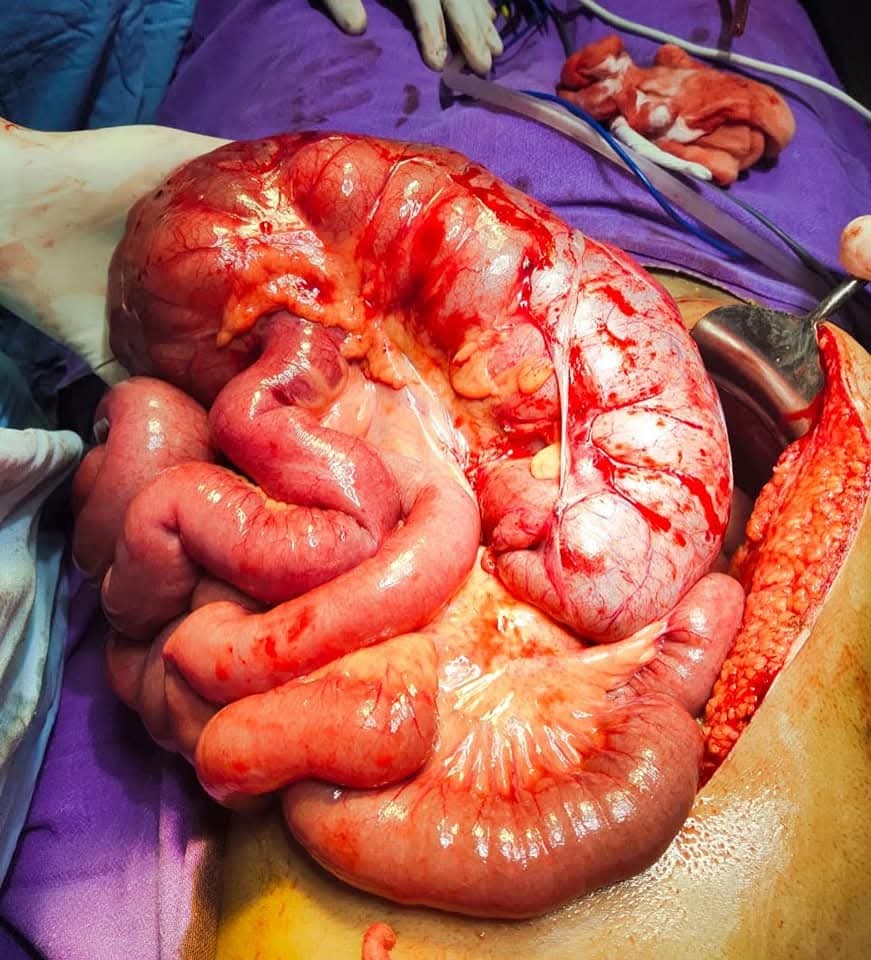
Appendiceal mucocele is a rare disorder in which the appendix becomes abnormally dilated due to the accumulation of mucus. Although uncommon, this condition is clinically important because the underlying cause may range from a simple benign obstruction to a mucin-producing tumour with malignant potential.
Dr. Raman Garg, Senior Surgical Gastroenterologist and Advanced Laparoscopic Surgeon at Bombay Gastro & Cancer Institute, Bathinda, has expertise in the diagnosis and minimally invasive surgical management of rare appendiceal diseases, including appendiceal mucocele.
What Is an Appendiceal Mucocele?
An appendiceal mucocele develops when mucus accumulates inside the appendix because its opening becomes blocked. Depending on the underlying pathology, the lesion may be:
- Simple retention cyst
- Mucosal hyperplasia
- Low-grade appendiceal mucinous neoplasm (LAMN)
- Mucinous adenocarcinoma
Accurate diagnosis and appropriate surgical planning are essential because treatment and prognosis vary according to the final histopathological diagnosis.
Symptoms
- Right lower abdominal pain
- Abdominal discomfort or fullness
- Palpable abdominal lump
- Incidental finding on ultrasound or CT scan
- Occasionally, no symptoms at all
Because the symptoms often mimic acute appendicitis, appendiceal mucocele is frequently diagnosed only after imaging or surgery.
Why Is This Condition Important?
The most important principle during surgery is removing the appendix intact without rupture. If a mucinous tumour ruptures, mucus-producing cells may spread throughout the abdominal cavity, resulting in Pseudomyxoma Peritonei (PMP) — a rare but serious condition requiring extensive surgery. Meticulous surgical technique is therefore essential.
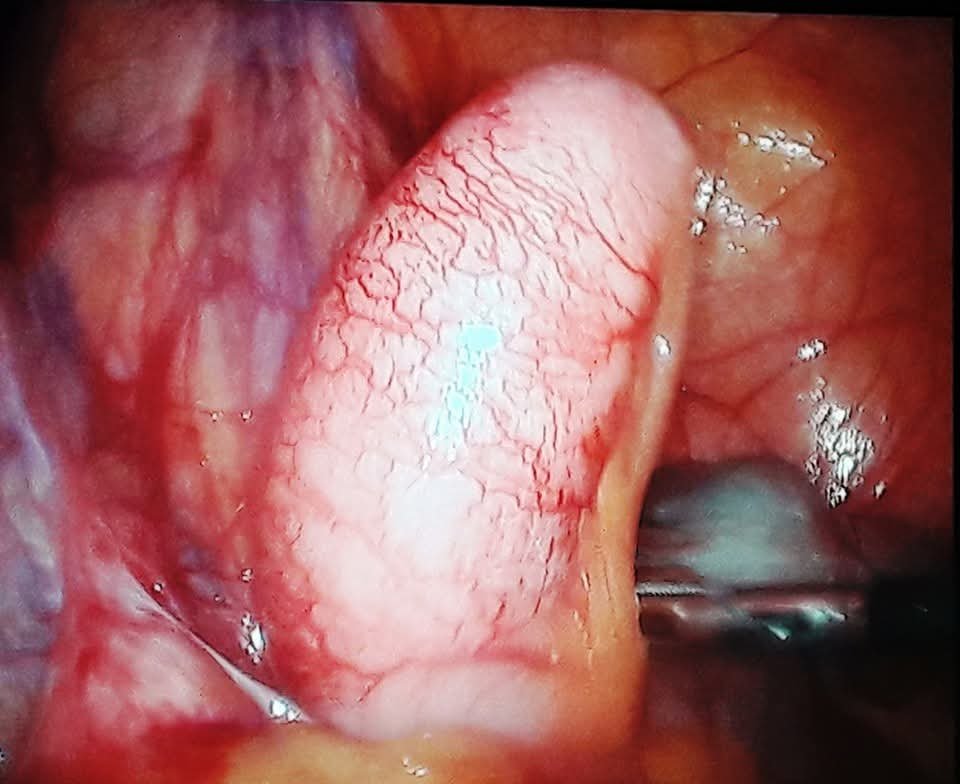
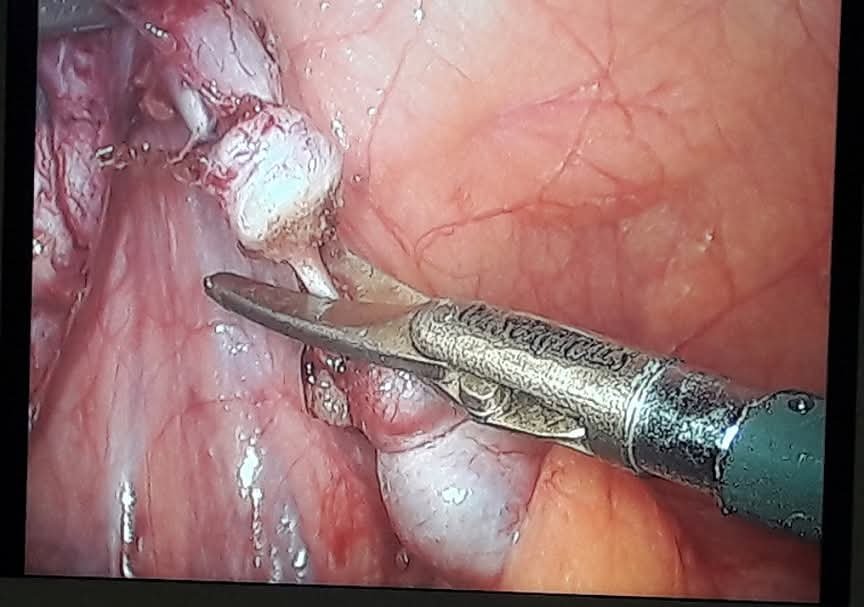
Laparoscopic Surgical Treatment
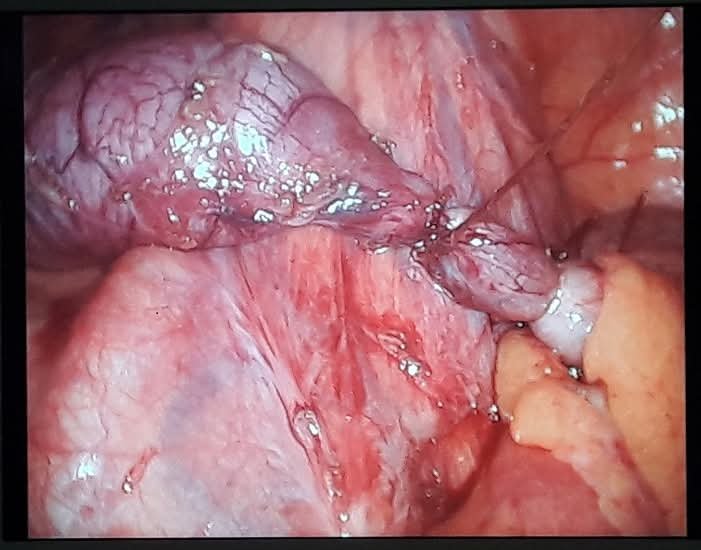
Surgery is the definitive treatment for appendiceal mucocele. In carefully selected patients, laparoscopic appendicectomy can be performed safely by experienced surgeons while maintaining strict oncological principles and preventing spillage.
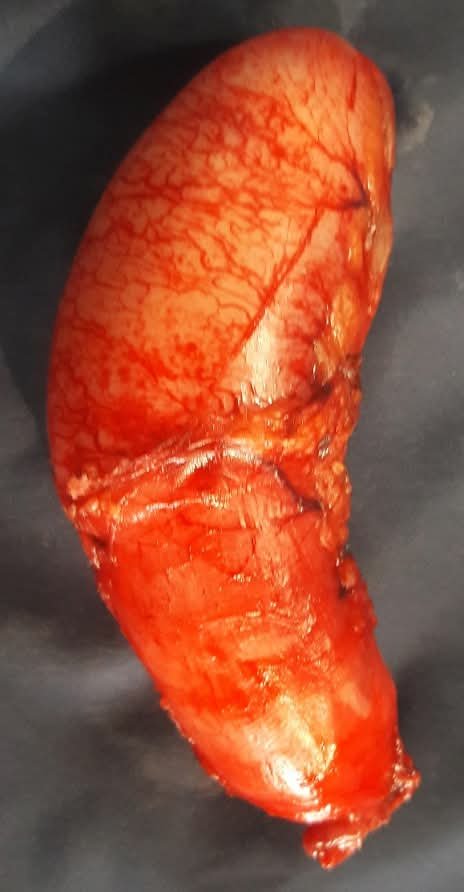
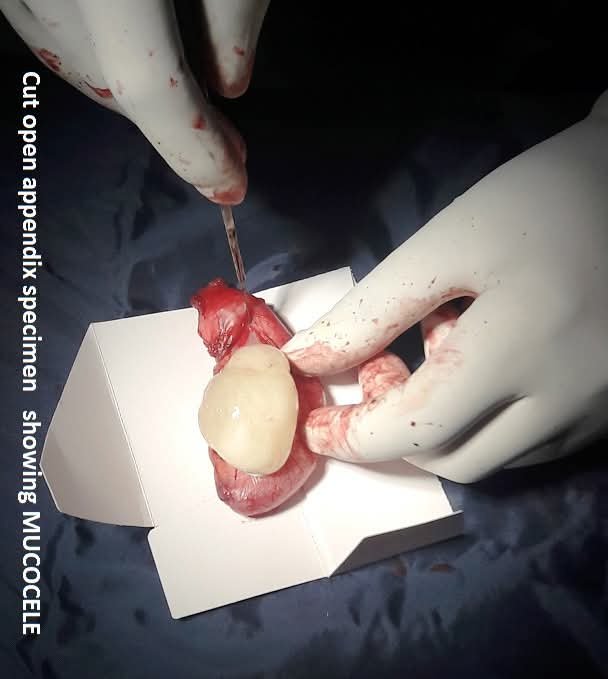
Prognosis
When the appendix is removed intact and histopathology confirms a benign lesion, the prognosis is generally excellent. Early diagnosis, careful surgical technique, and appropriate follow-up significantly reduce the risk of recurrence and complications.
Key Learning Points
- Appendiceal mucocele is a rare disease of the appendix
- Symptoms are often vague, making preoperative diagnosis difficult
- CT scan is usually the most useful imaging investigation
- Surgical removal is the definitive treatment
- Preventing rupture is critical to avoid pseudomyxoma peritonei
- Histopathology determines the final diagnosis and guides further treatment
Patient confidentiality is always maintained. Educational content on this website is intended to increase awareness of rare gastrointestinal diseases and their modern surgical management.